Sentience
The Emotional Experiences of Other Animals


Animal sentience - the ability of animals to feel, experience emotions, and suffer - carries profound moral implications.

Anyone who has ever loved a dog or cat knows that animals have rich emotional lives. Even within the same species, animals display unique personality traits, preferences, behaviors, and social bonds. Once dismissed as anthropomorphism, these observations are now indisputably supported by science.
MODERN DISCONNECTION:
Out of Our Sight, But Not Out of God's
Today, most of the animals who suffer because of our actions - whether for food, fashion, or convenience - are hidden from our sight.
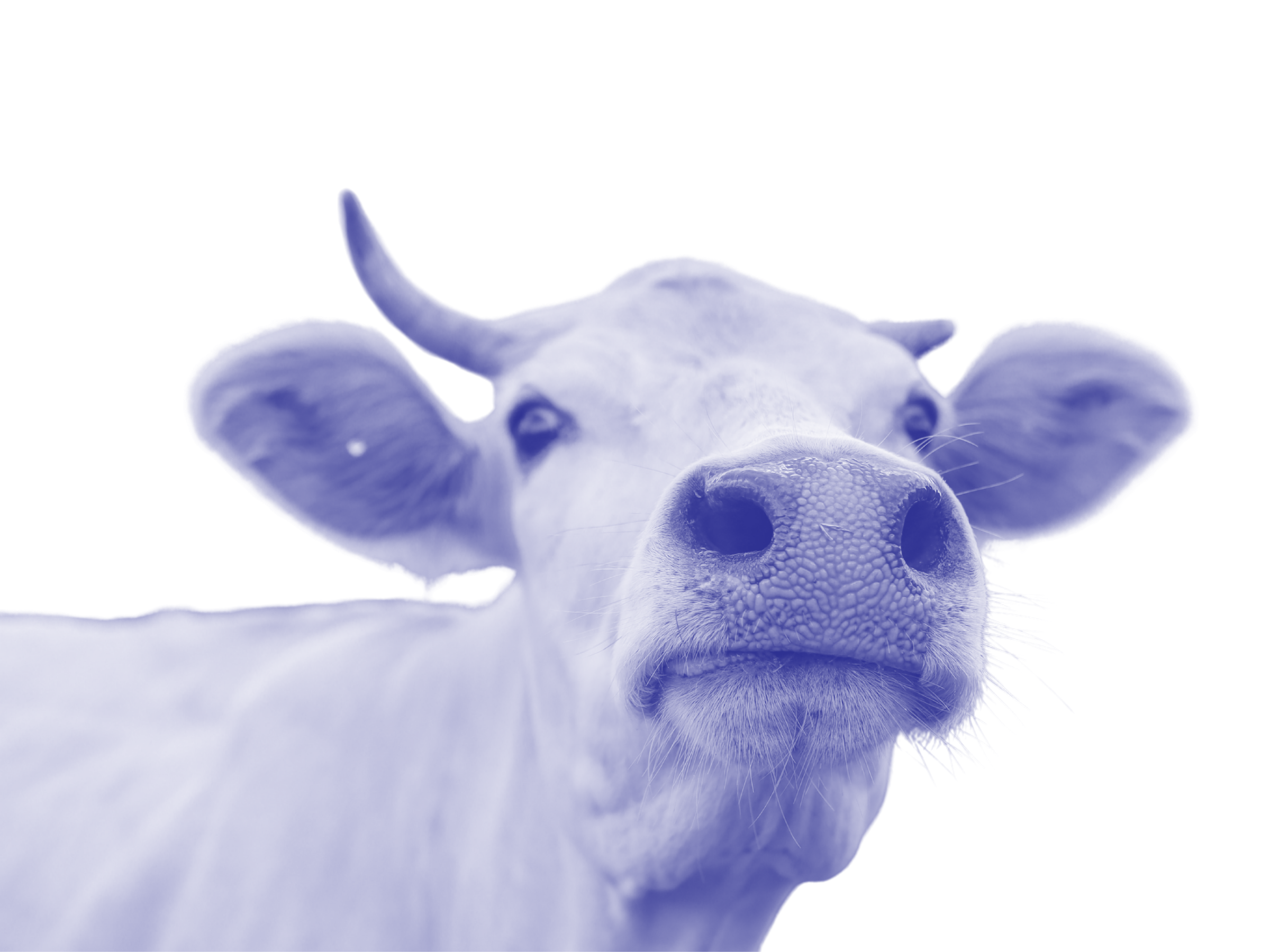
When people do encounter animal suffering - like a mouse screaming in a glue trap, a bird fiercely defending their young, or a cow desperately trying to escape slaughter - their sentience becomes undeniable. Their invisibility in our daily lives doesn’t lessen our responsibility to protect them. If anything, it makes it more urgent that we seek to understand their experiences and respond accordingly.

We are always capable of going out of ourselves towards the other. Unless we do this, other creatures will not be recognized for their true worth.”
— Pope Francis, Laudato Si’
Milestones in Recognizing Animal Sentience
In recent years, several pivotal developments have accelerated our understanding of animal sentience:
SCIENTIFIC CONSENSUS
Over 2,500 studies conducted by universities, nonprofits, and independent ethologists confirm animal sentience. Over the years, researchers have come together to highlight the importance of these findings, as well as the need for policies and societal changes that reflect our understanding of animal sentience.
-
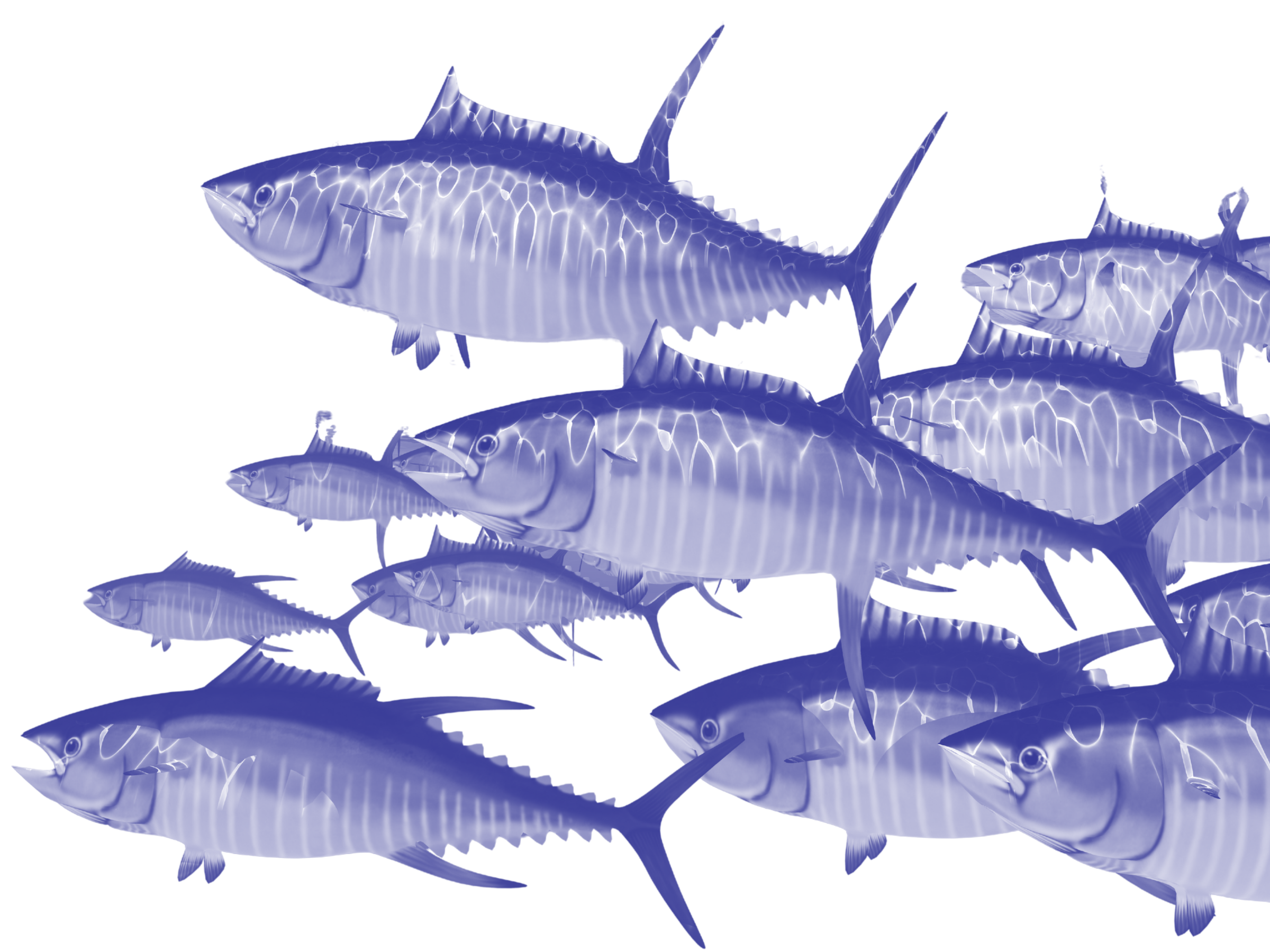
Leading neuroscientists signed this landmark declaration affirming that non-human animals - including mammals, birds, and marine life - possess consciousness and are capable of feeling, helping establish sentience as mainstream.
-
Commissioned by the UK government and conducted by the London School of Economics, this review examined over 300 studies and concluded that octopuses, crabs, and lobsters are sentient. The UK government committed to incorporating these findings into future policy decisions.
-
More than 500 scholars and researchers in philosophy from 40 countries signed onto this declaration, stating that today’s animal exploitation is fundamentally unjust and must change.
-
First presented at a conference at New York University, this declaration was signed by 40 researchers and points to scientific support for attributions of consciousness to different species. The declaration also states, “…When there is a realistic possibility of conscious experience in an animal, it is irresponsible to ignore that possibility in decisions affecting that animal.”

In ethology and neurobiology, it is well established that mammals, birds, fish, and many invertebrates are sentient – i.e., capable of feeling pleasure, pain and emotions. These animals are conscious subjects; they have their own perspective on the world around them. It follows that they have interests: our behaviors affect their well-being and can benefit or harm them.”
- Montreal Declaration on Animal Exploitation
BOOKS:
The Emotional Lives of Animals: A Leading Scientist Explores Animal Joy, Sorrow, and Empathy—and Why They Matter, Marc Bekoff, Ph.D.
Canine Confidential: Why Dogs Do What They Do, Marc Bekoff, Ph.D.
Pleasurable Kingdom: Animals and the Nature of Feeling Good, Jonathan Balcombe, Ph.D.
What a Fish Knows, Jonathan Balcombe, Ph.D.
The Genius of Birds, Jennifer Ackerman
The Soul of an Octopus: A Surprising Exploration into the Wonder of Consciousness, Sy Montgomery
OTHER RESOURCES: