
Take Action As An Individual
Simple actions for humans can make an outsized impact for animals.
Peruse the ideas below, and begin with one small step.
For Farmed Animals

Choose plant-based foods.
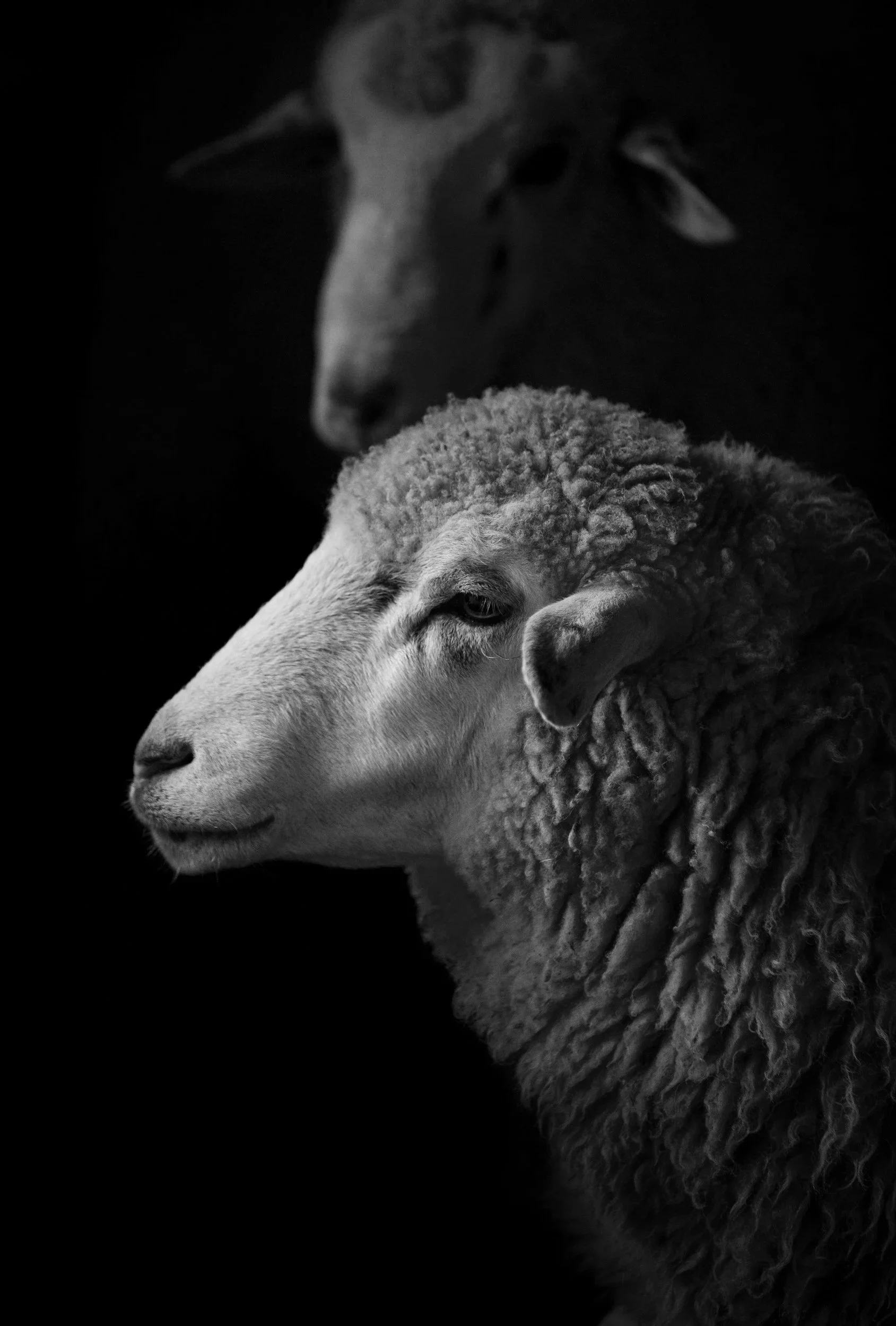
Spare farmed animals from a lifetime of suffering and an early death, while saving wild animals. With so many animals suffering on factory farms, even small dietary changes for us can make a tremendous impact for the most exploited, most-often forgotten animals. Learn more about choosing plant-based foods here.Ditch leather, wool, down, and other animal-derived textiles.
Animals suffer greatly for these industries, and, contrary to popular belief, their skins, feathers, and fur are not “byproducts” but are co-products of cruel industries, directly funding and fueling animal exploitation. Shop conscientiously, and check labels. Opt instead for vegan textiles, from vegan leather handbags to down-free pillows.Speak up for farmed animals.
Animals need each of us to raise awareness about their plight. Simply speaking up or sharing information can plant a seed that leads to a positive change. When dining out, ask about vegan options. Likewise, many restaurants have done away with certain “products” like foie gras or veal, yet some restaurants continue selling these. Educate them about what these products are and politely ask them to reconsider selling them.Visit a farmed animal sanctuary.
Deepen your understanding about who farmed animals are. You’ll make memories to last a lifetime while becoming a better advocate for their protection! Use the Global Federation of Animal Sanctuaries directory to find an accredited sanctuary near you.
For Companion Animals
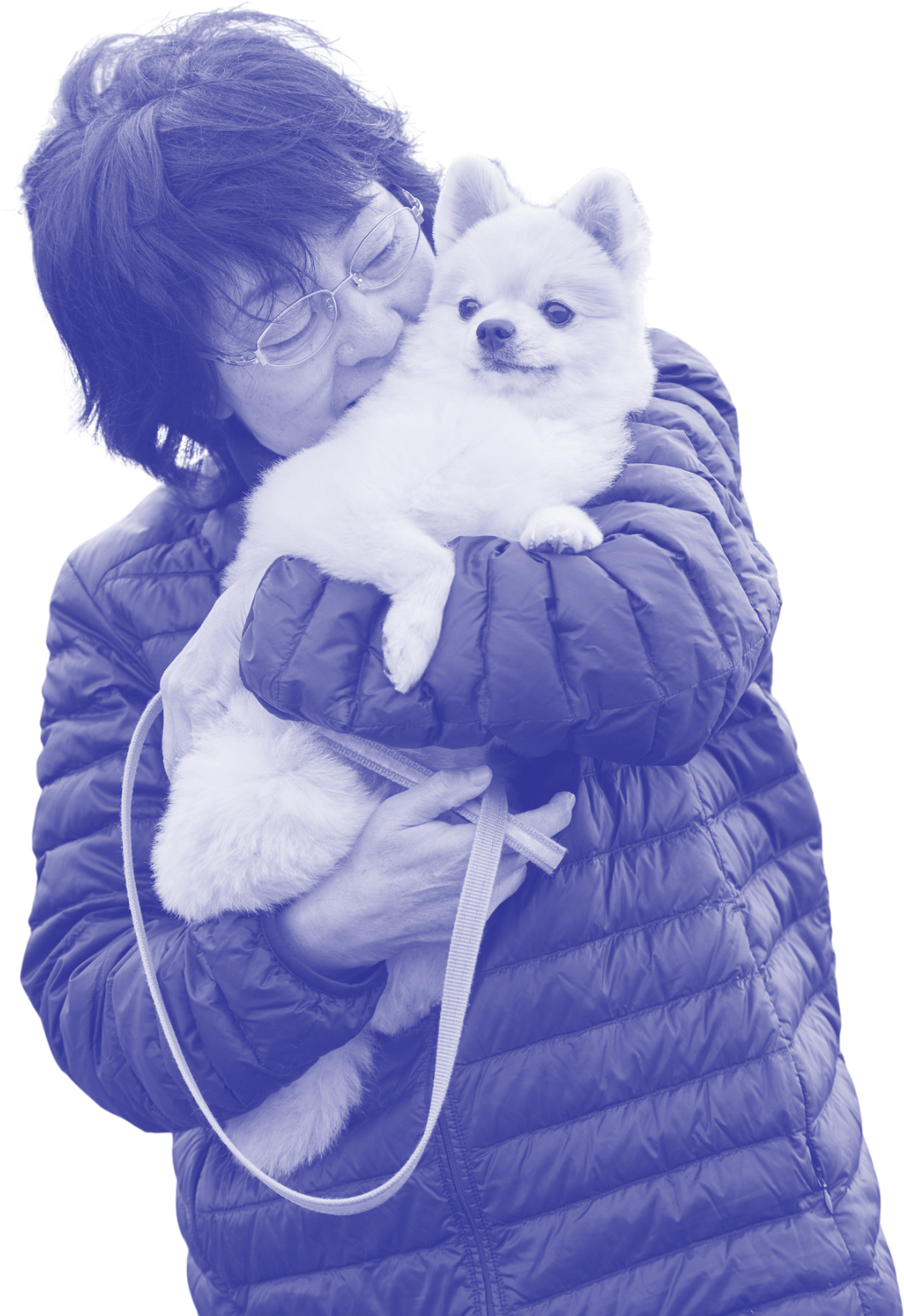
Foster an animal short-term or long-term.
Not ready to adopt? You can make a huge difference by fostering an animal, even short-term, and giving them a break from the shelter. Reducing their stress through short-term fostering can significantly boost their chances of being adopted. Plus, you’ll be creating room in the shelter for an animal in need.
Volunteer at a local shelter.
If you have a few extra hours a week, many shelters need volunteers to walk dogs or socialize cats. You’ll give the animals a break and take a burden off of overwhelmed shelter staff. Plus, you’ll get some exercise (and some undeniable displays of gratitude from the animals)!Adopt an animal from a local shelter.
Millions of animals, from dogs and cats to guinea pigs and turtles, need loving homes. Shelters and sanctuaries are overwhelmed across the country, and by always adopting when welcoming a new four-legged family member, you can save a life.Help humans and their companion animals.
Did you know that organizations like Meals on Wheels may have local companion animal-related services for their homebound clients? Homebound neighbors benefit from the support for their beloved and loyal companions, whose presence brings comfort, friendship, and joy to daily life. From volunteering to deliver food or transporting animals to veterinary or grooming appointments, your help can be a game-changer for everyone involved.

For Wild Animals
Never use glue traps.
Glue traps cause immense suffering, as they can ensnare any small animal that walks across or lands on them. Trapped and panicked, animals often suffer prolonged and painful deaths, injuring themselves in desperate and typically futile attempts to escape. Many compassionate people do not know that glue traps are being used in their home or office until they find an animal suffering. Proactively tell pest control companies to never use glue traps or poisons in your home, parish, or workplace, and choose humane alternatives instead.Save time, water, and wildlife with a native plant.
Converting even some of your yard or creating a small-space garden with native plants can support biodiversity, eliminate your use of pesticides or herbicides, reduce or eliminate the need to water, and help restore our planet. Start with one plant and enjoy the benefits. If you have a yard or small garden at home, at your parish, or at work, you can even turn the space into a Saint Kateri-certified wildlife habitat and inspire others!
Leave your leaves.
Small changes for us make an outsized difference for animals, and sometimes, doing nothing at all helps too! Skip the yard work and leave your leaf litter for the winter season to support local wildlife.Choose bird-friendly glass.
Researchers estimate that approximately 1 billion birds die every year from window collisions. Tragically, this is preventable with bird-friendly glass options. At home, individuals can bird-proof windows, especially those near trees. In your community or workplace, advocate for bird-safe buildings.Go “Lights Out!” during spring and fall migration.
Nighttime lights can be disorienting for migrating birds, who must conserve their energy as they fly incredible distances with their flocks. Turn off all non-essential lights at night from 11pm to 6am during fall and spring migration. Ask your city, workplace, or school to do the same, and point to these examples of leaders who have already committed to Audubon’s “Lights Out!” campaign.
Help wild animals in your community by taking injured or sick animals to a wildlife rehabilitator.
If you encounter an injured animal, know that kind-hearted, certified wildlife rehabilitators may be within driving distance to help. Use this list to locate certified wildlife rehabilitators by you, or call your nearest veterinary office to ask for a referral. If the animal is young, be sure they need your help before intervening. (Some baby birds may be learning to fly, and other baby animals may be waiting for their parents to return! When it comes to babies, ensuring that they are out of harm’s way and watching from a distance to see if a parent returns is often the best first step.)Visit an accredited wildlife sanctuary instead of zoos, circuses, or marine amusement parks.
Wild animals deserve to live freely in the wild. Admire wild animals in their natural habitats by getting into birding, or visit an accredited sanctuary that cares for wild animals who cannot safely be released to their natural habitat.
For Animals in Laboratories

Shop cruelty-free.
Every time you purchase self-care products, cosmetics, and home cleaning supplies, you can stand up for vulnerable animals. Simply choosing products with the PETA Cruelty-Free or Leaping Bunny label supports brands who have chosen kind, modern alternatives to painful animal tests.

Raise Your Voice for Animals
Share the resources from our website with your pastor, social justice ministry director, or other community members.
And don’t forget to follow up! Even if you don’t see an immediate change, you are planting seeds that can turn into meaningful progress in the future. You may just be surprised when they reach out once the timing is right.
Advocate for animals locally.
From asking your city or company to discontinue the use of glue traps, to advocating against the sale of animals in pet stores to support homeless animals in shelters, there are many initiatives that have growing momentum and proven success. By bringing these positive examples to your community, you can make a tremendous impact for animals in your backyard. Consider joining a volunteer program or an advocacy committee. Humane World for Animals, The Humane League and local Audubon chapters are just a few organizations with volunteer programs.


Today’s world demands that you be a protagonist of history because life is always beautiful when we choose to live it fully, when we choose to leave a mark.”
- Pope Francis, Prayer Vigil with Young People on World Youth Day
