Wildlife Protection:
Stewarding God’s Creation
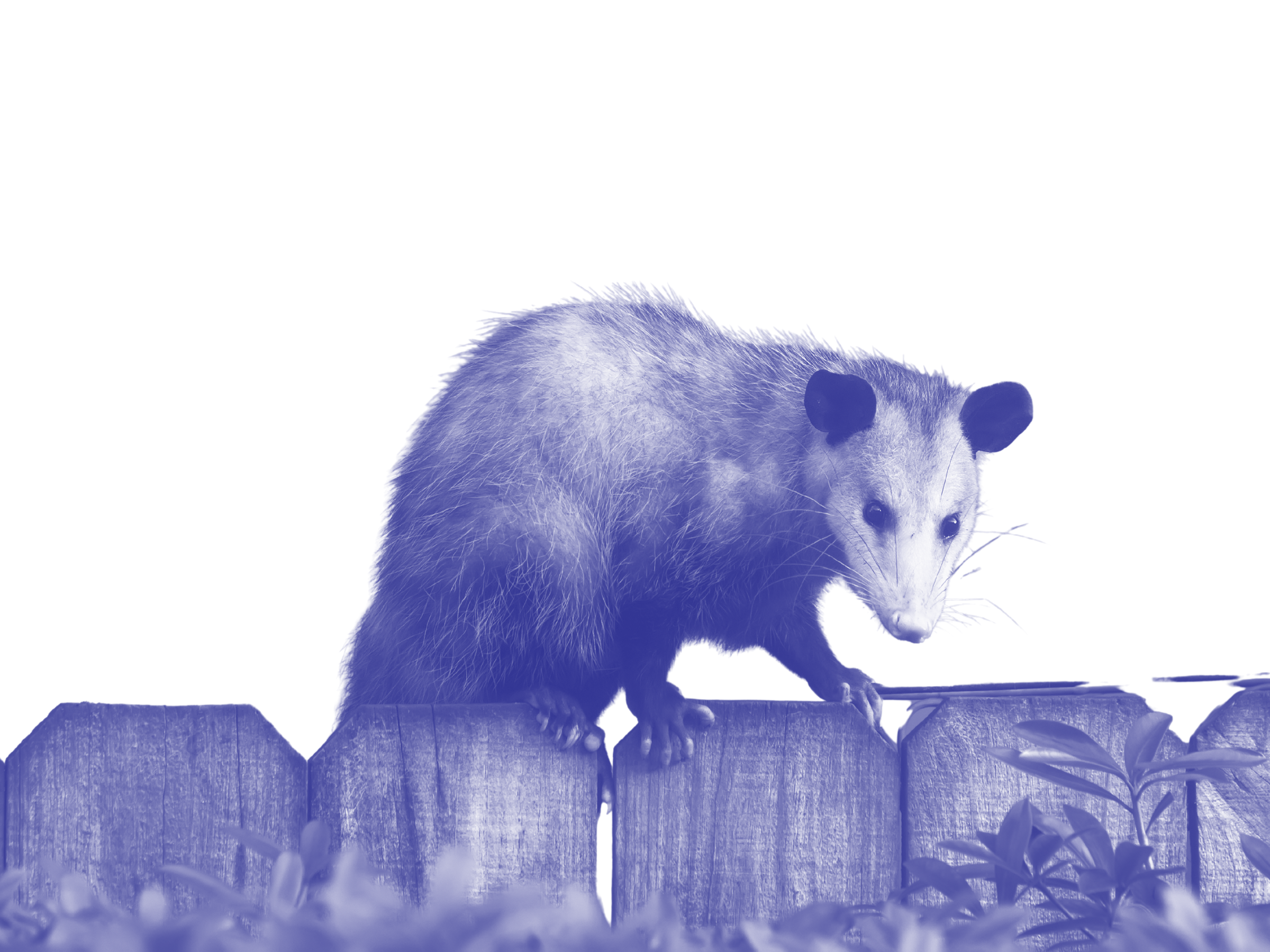


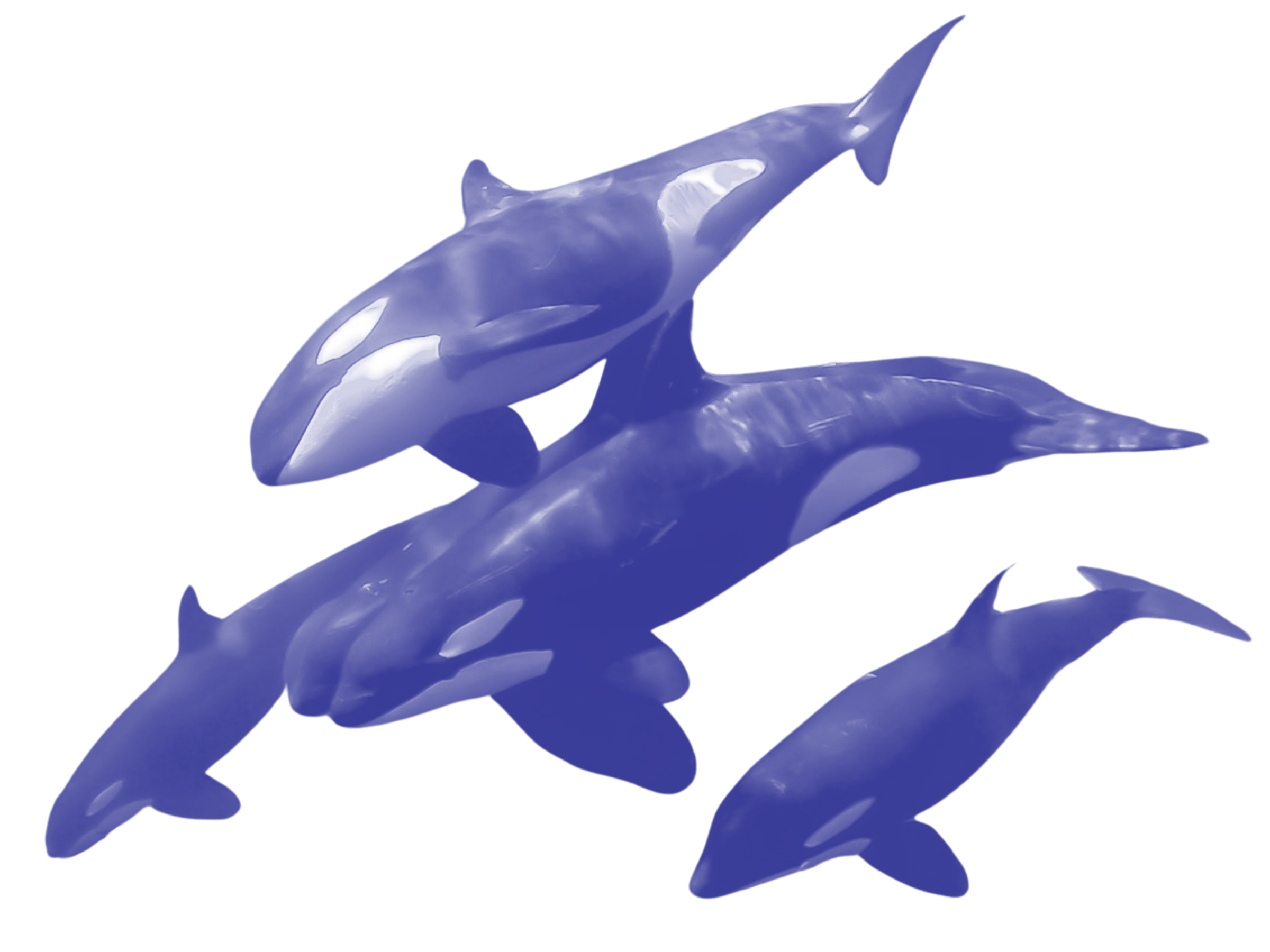
From vibrant hummingbirds migrating thousands of miles to elephants ceremoniously grieving their loved ones and whales communicating across vast oceans, the natural world is a profound testament to God’s boundless imagination and love.
Wild animals are among the great joys of God’s creation. The world around us is filled with countless layers and depths of life - so much of it beyond our understanding. Opening our eyes to the fascinating wildlife all around us offers an awe-inspiring glimpse into God’s handiwork.
But tragically, our wild neighbors face growing threats. Since most of these problems are caused by humans, we also hold the power to change them through our actions and advocacy. Small choices - at home, work, or while shopping - can help protect life and bring us closer to living in harmony with all God’s creatures.

It is to the Creator of the universe, then, that we are accountable for what we do or fail to do to preserve and care for the earth and all its creatures.”
— US Catholic Bishops, Renewing the Earth, 1991, p. 6.’
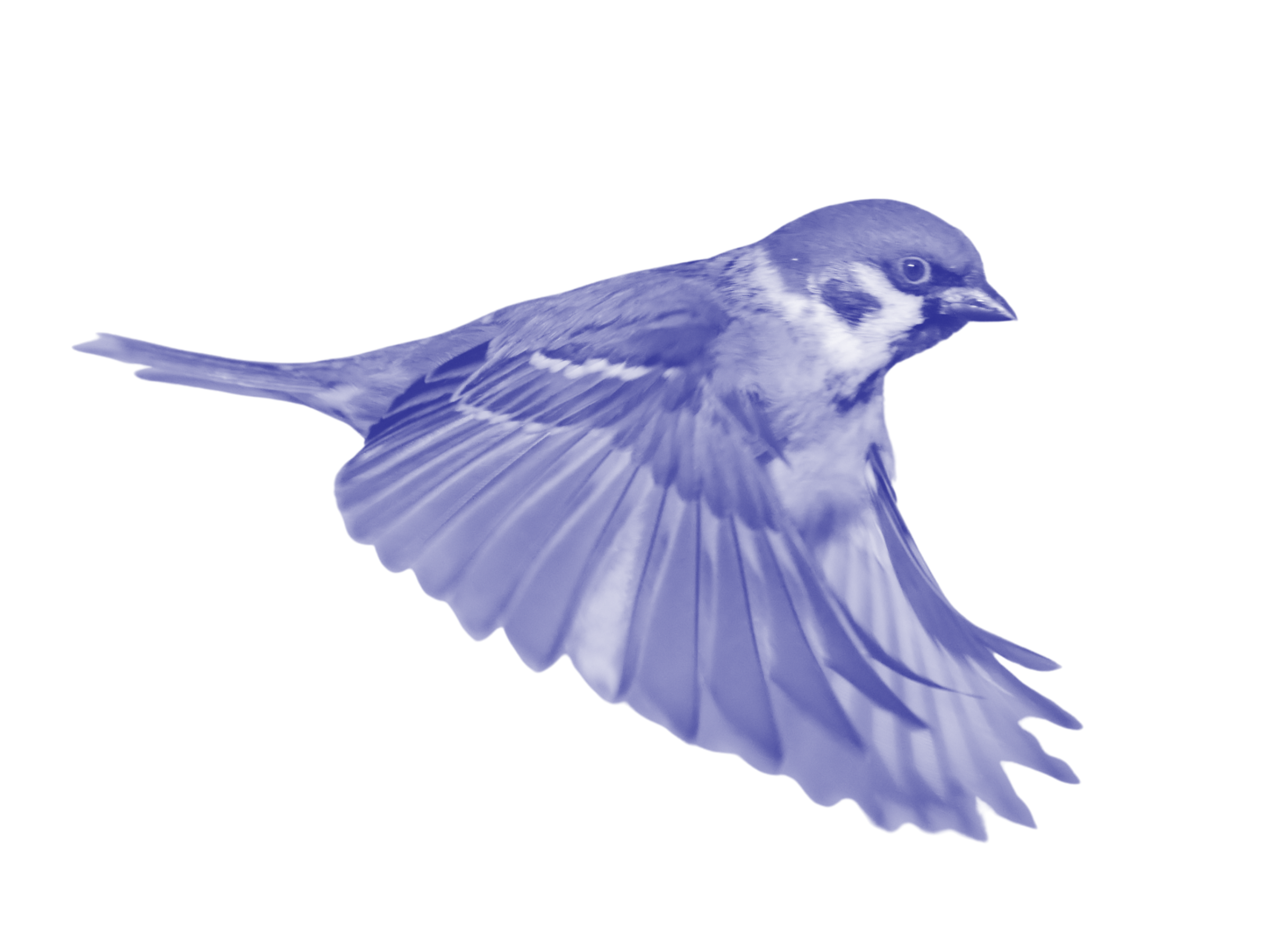
Nighttime Lights Disorient Migrating Birds
Nighttime light pollution is a major problem for migrating birds. Every year, billions of birds migrate north in the spring and south in the fall, using the night sky as their compass. Nighttime lights can disorient birds, causing them to veer from their migratory path and circle the lit area, losing much-needed strength and increasing the risk of a building collision. Audubon’s Lights Out campaign asks everyone to turn off lights from 11pm to 6am during spring and fall migration.
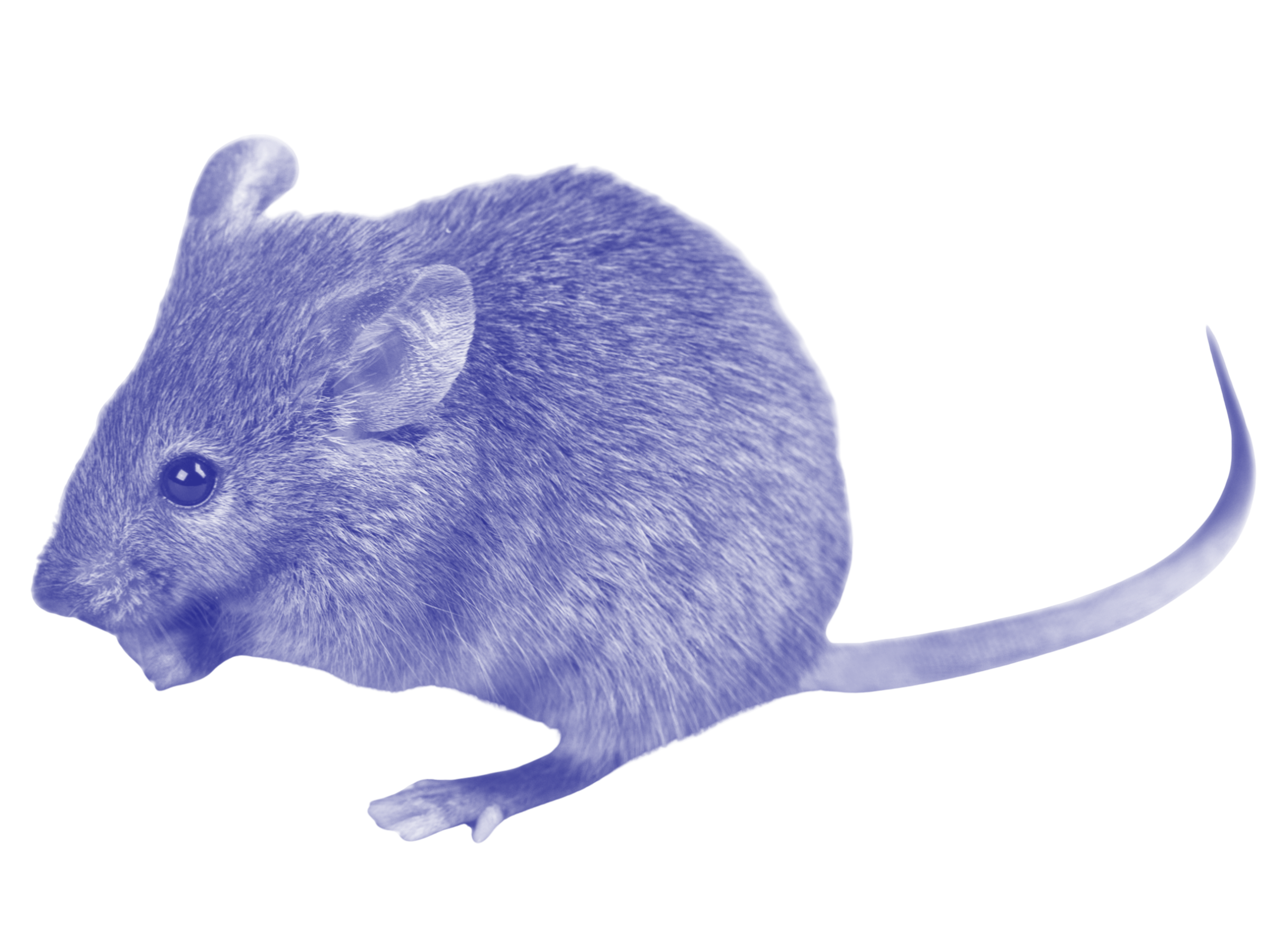
Glue Traps and Poisons: Unimaginable, Prolonged Suffering
Glue traps - boards coated with sticky adhesive and commonly used in pest control - cause unimaginable suffering and slow deaths to small animals. In their desperation to escape, animals often become even more stuck and may break bones, tear through skin or feathers, or chew through their limbs. Animals die slowly from dehydration, suffocation, or injuries, sometimes over the course of days.
Poisons also cause prolonged suffering. Anticoagulant rodenticides are often used in cities and around buildings, causing death by stopping the clotting mechanism in the animal’s body. They cause a slow, painful death from internal bleeding over days and go on to kill predators like hawks, owls, and foxes.
Humane alternatives and effective exclusion methods exist. Glue traps and poisons should never be used.
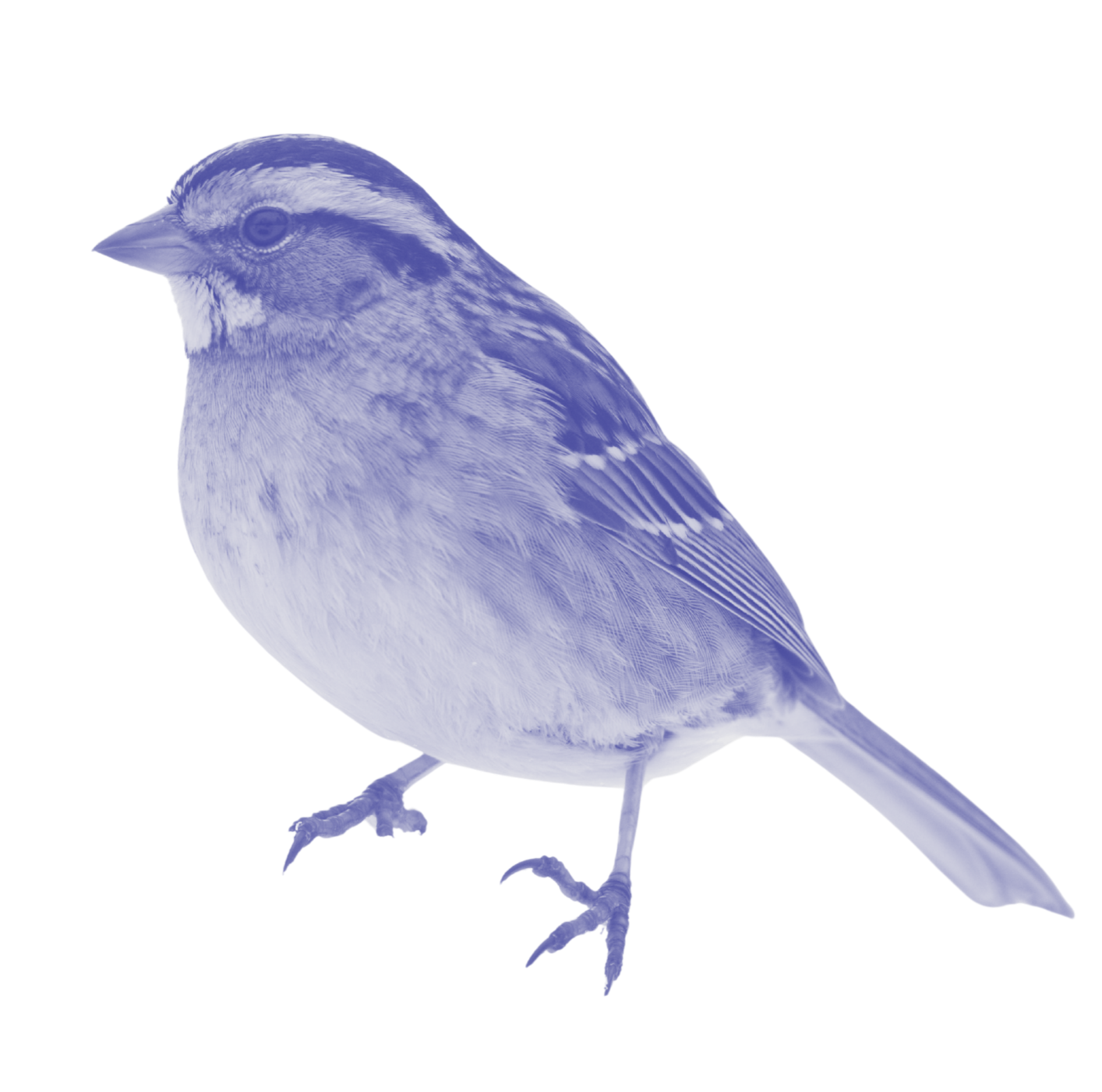
Bird-Friendly Glass Saves Countless Birds
More than one billion birds die from window collisions annually – a shocking yet preventable tragedy. Simple, affordable decals, bird-safe glass, and city-wide policies like New York’s can save millions of birds’ lives. These solutions work - as evidenced by Chicago’s McCormick Place, which installed bird-friendly decals and saw a 95% decrease in collisions. Read our recent blog post to learn more about this important topic.

Wild Animals Belong in their God-Given Habitat, Not the Pet Trade
Millions of wild animals, from wild birds to primates, are bred in captivity or captured from the wild as babies to be sold as “pets” every year. This includes smaller wild animals that many of us grew up seeing in stores, such as bearded dragons and parrots. These animals are just as wild as monkeys or tigers. In the wild, parrots fly for miles and flock with hundreds of other birds. Bearded dragons roam the desert scrublands of Australia, and red-eared sliders bask on logs in the Mississippi River. It’s impossible to replicate the abundant and vast habitats God created for them in human homes. Animals in the pet trade often endure cruel conditions; many are bred in deeply problematic conditions and die before reaching a pet store or home. Others are taken from their wild homes. According to a 2025 report from the Center for Biological Diversity: “The United States is one of the world’s biggest players in the exotic pet trade, and more than 30% of the animals it imports for the trade are sourced straight from wild populations.”

Protecting Biodiversity from the Pet Trade
Buying wild animals for use as “pets” is a major biodiversity threat. Many species have been decimated by the pet trade. In Ghana, 99% of the wild grey parrot population has been wiped out. Released wild animals also pose a serious threat to local habitats. Non-native animals introduce disease and bacteria to animals without immunity to these pathogens and compete for food and habitat.

Wild Animals Have Intrinsic Value – They’re Not Our Entertainers
Wild animals endure immense, needless suffering when they’re stripped of their nature, separated from their families, and forced to perform for our amusement. Every wild animal was created with purpose and dignity. They belong where God placed them: in the wild. Tragically, around the world, World Animal Protection estimates that up to 550,000 animals currently suffer in circuses, roadside zoos, tourist attractions, and other venues.
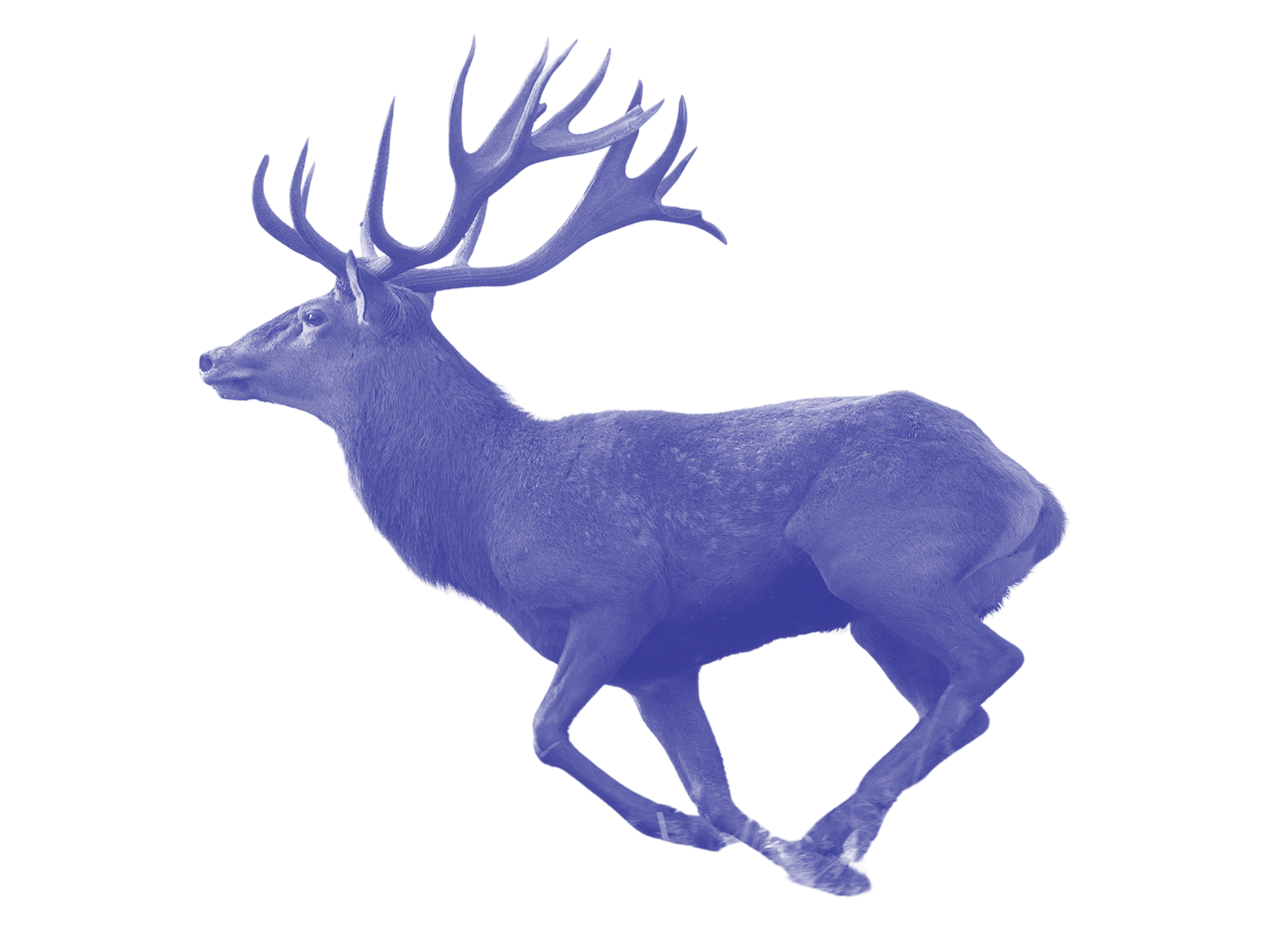
The Cruelty Behind Canned Hunts
While our ancestors may have hunted animals out of necessity, that time has passed. In today’s world, the vast majority of Americans do not need to kill animals to survive. Canned hunts belong to an entirely different realm: causing death for sport, for entertainment. Animals are confined to a specific area to guarantee a “kill.” These animals are reduced to targets and their bodies are used as trophies, a clear violation of God’s creation.
Wildlife Killing Contests Target Thousands of Animals
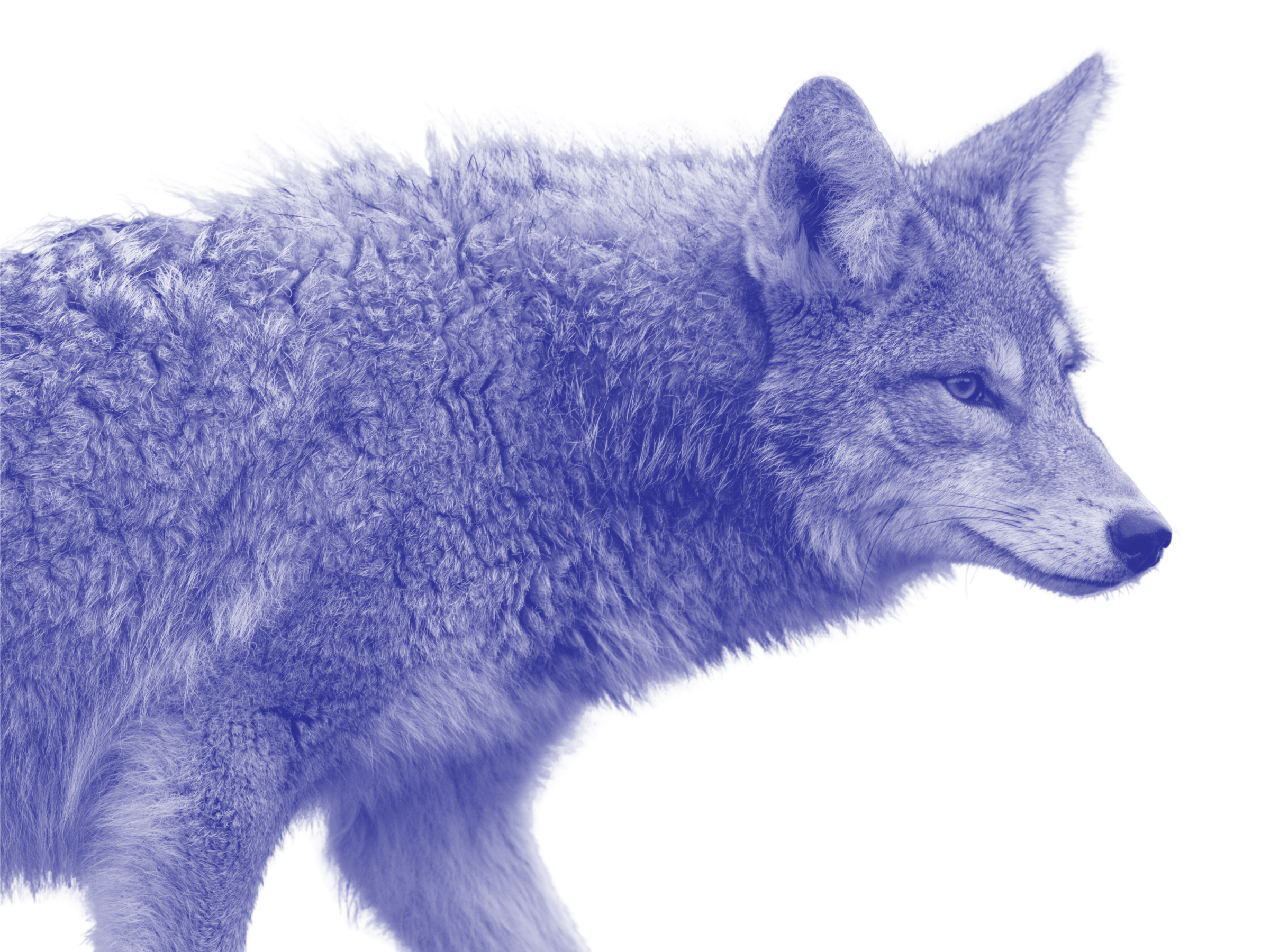
Across the country, wildlife killing contests remain legal in many states, despite the severe cruelty involved. In these organized events, participants compete to slaughter as many animals as possible, resulting in the annual deaths of over 50,000 creatures, according to Humane World for Animals. These contests target numerous species, including coyotes, foxes, wolves, raccoons, and squirrels. This practice is an undeniable betrayal of our obligation to treat creation with respect, reducing sentient creatures to mere targets in a cruel game.

Dove Hunting
Many people are shocked to learn that dove hunting still exists. Yet, every year, tens of thousands of doves in the United States are shot out of the sky – often lured into areas by decoys that make the social birds believe the area is safe and welcoming. Far from necessary, this practice is typically carried out for entertainment or “target practice.” Saint Francis of Assisi, who famously preached to and saved doves, would undoubtedly be aggrieved by such cruelty.endly Glass Saves Countless Bi
Learning to Live in Harmony Alongside Other Creatures
Human development has caused widespread habitat loss, displacing countless species, but this trajectory can be changed with thoughtful choices.
Biodiversity Loss Caused by Diets
Protecting wild animals can begin on our plates. A 2021 report from the United Nations Environment Programme called the global food system the “primary threat to biodiversity” while urging a shift towards “plant-heavy” diets to free up land and support diverse ecosystems.
Native Plants Restore Vital Habitats
Over the past century, urban sprawl has converted 150 million acres of farmland and native habitat in the U.S. into buildings, pavement, and manicured lawn - offering little to no value for birds, pollinators, or other wild animals. Native plants are great for wildlife, and they’re a boon for homeowners - requiring far less upkeep and water, given that they’re already adapted to the environment.
Prevent Poisoning of Wild Birds
Pesticides disrupt the delicate balance that animals need, killing the insects that birds consume and threatening birds themselves. Opting for organic produce and avoiding pesticides at home are simple yet effective ways to support wildlife.
For you love all things that exist, and detest none of the things that you have made, for you would not have fashioned anything if you had hated it.”
— Wisdom 11:24-25