
Factory Farming
Harming Animals, Humans, and the Planet

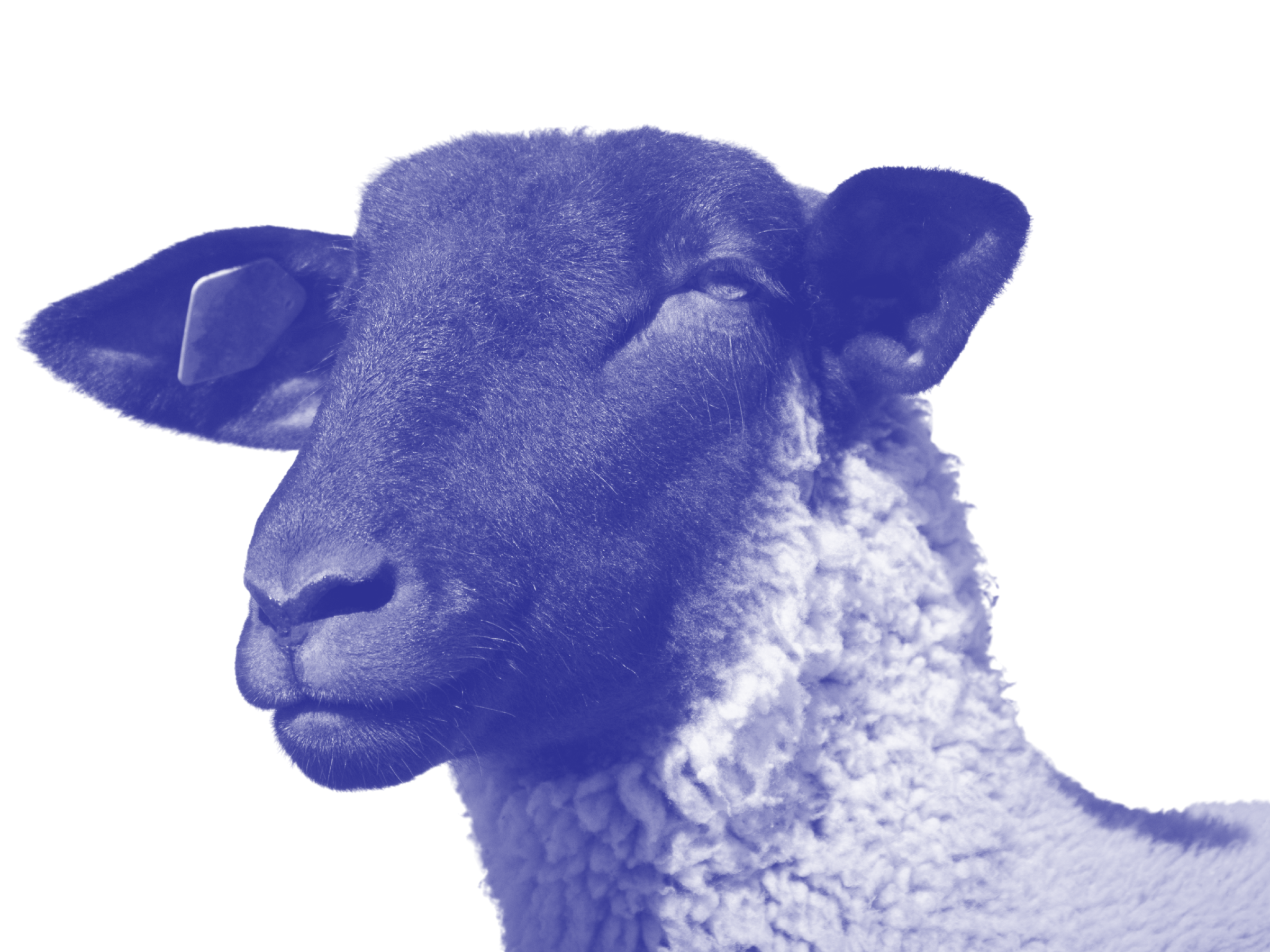

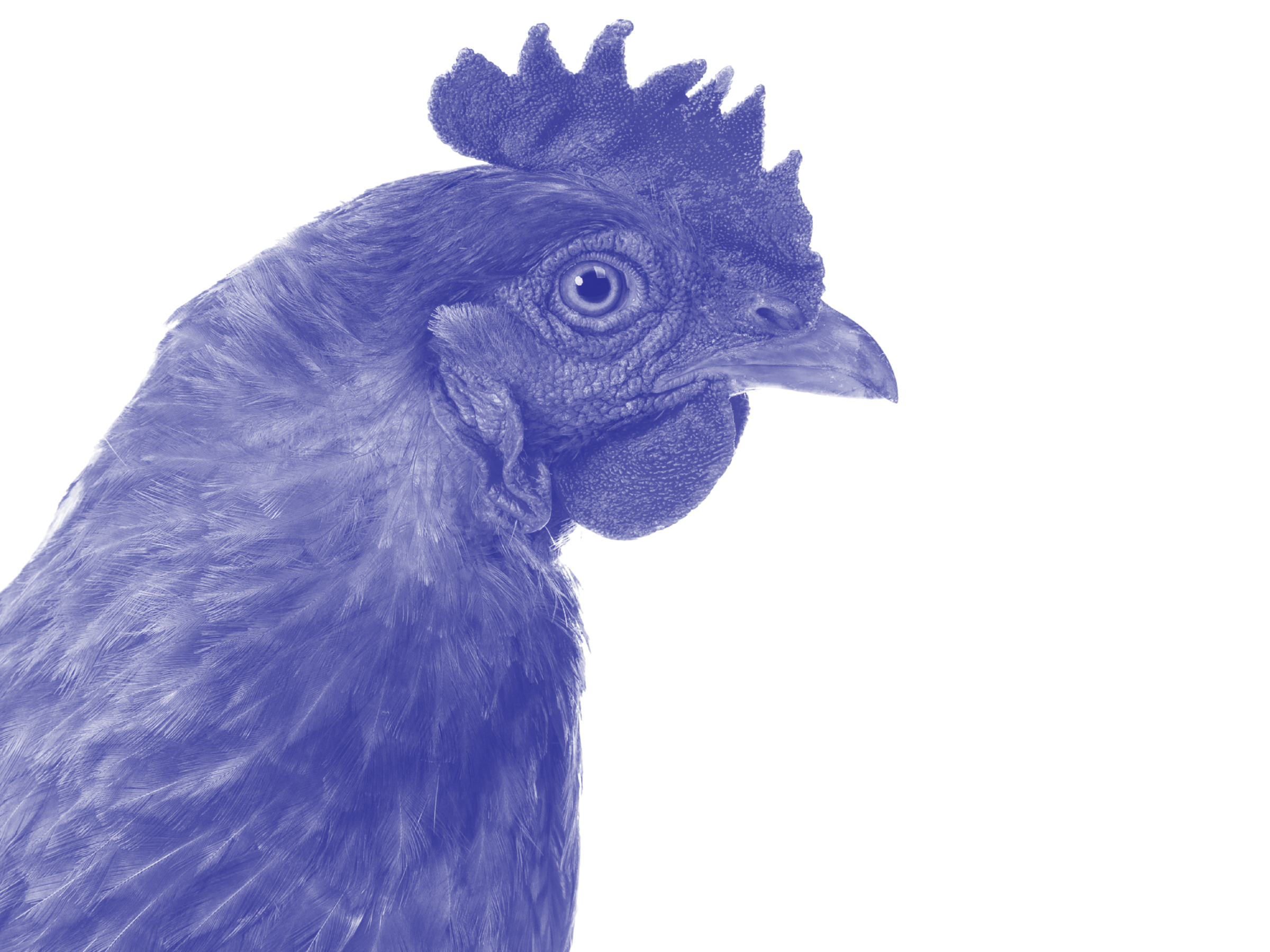
Factory farming is the world’s leading cause of animal suffering, an affront to God’s creation, and harmful to human dignity and our planet.
The Catholic community’s action on this issue is critical.
The Problem:
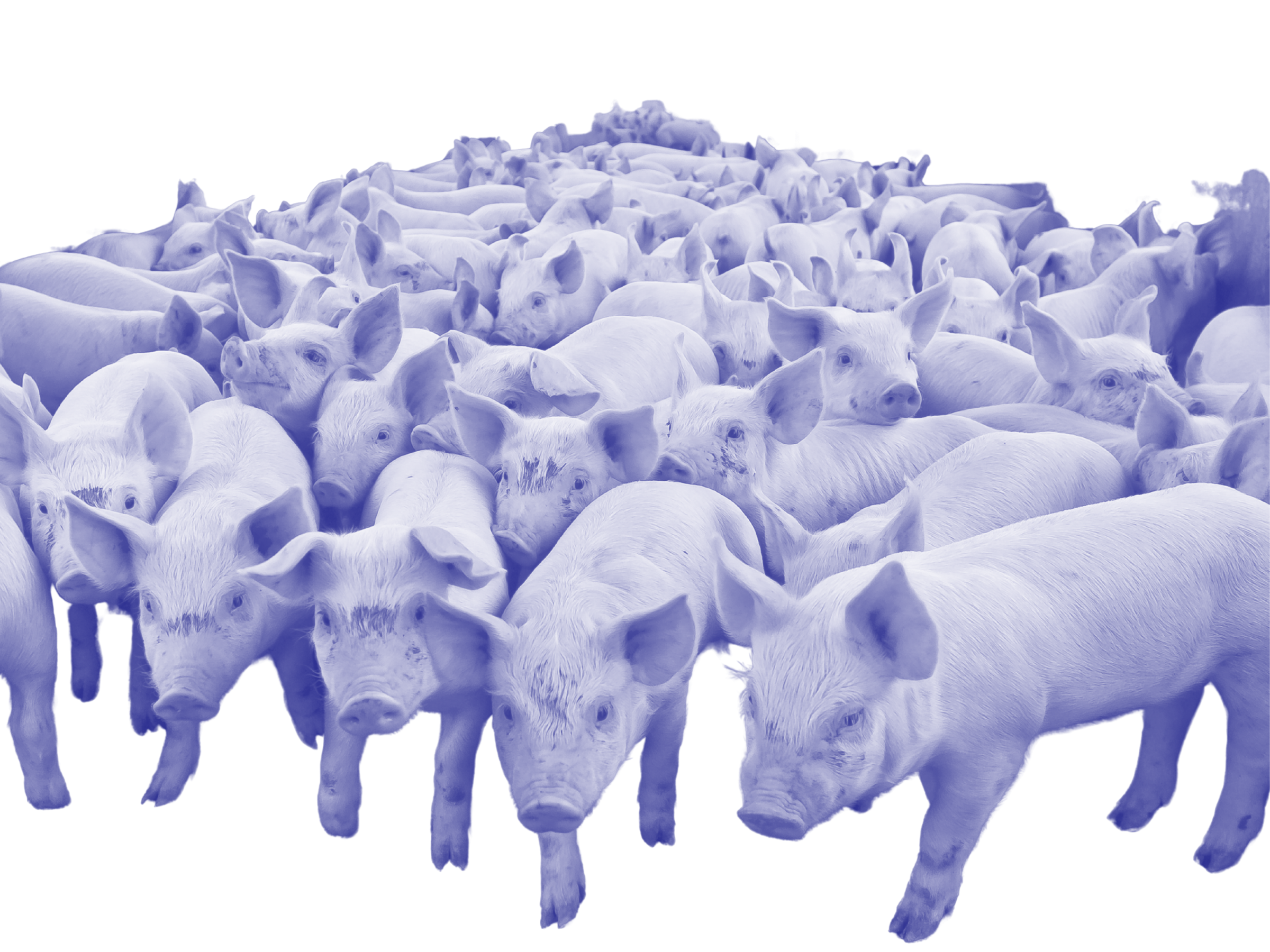
More than 10 billion land animals are killed for food in the United States every year.
A staggering 99% of them are in factory farms, according to the Sentience Institute.
This industrial system is relatively new. Over the last century, profit and efficiency drove the consolidation of farms into massive industrial operations, at the expense of animals’ well-being, workers, and the environment.
As more animals are bred into systems of suffering, we now know more than ever before:
We understand that these animals possess rich emotional lives and the ability to feel deep pain and suffering.
We know from doctors and nutritionists that humans can live, and thrive, on a plant-based diet.
This page is an invitation to learn about this urgent issue and to see the creatures - God’s creatures - who have spent their lives in confinement on factory farms.
What is a Factory Farm?
Factory farms are also known as concentrated animal feeding operations (CAFOs). The Environmental Protection Agency (EPA) defines CAFOs as “agricultural operations where animals are kept and raised in confined situations.” Animals are confined for at least 45 days within a 12-month period without access to grass or other vegetation during the normal growing season. In the U.S., large CAFOs – defined by the EPA as having more than 1,000 cows, more than 10,000 pigs, or 125,000 chickens – are the most common, with 21,000 nationwide.
The Ultimate Throwaway Culture: Needless Suffering and Death
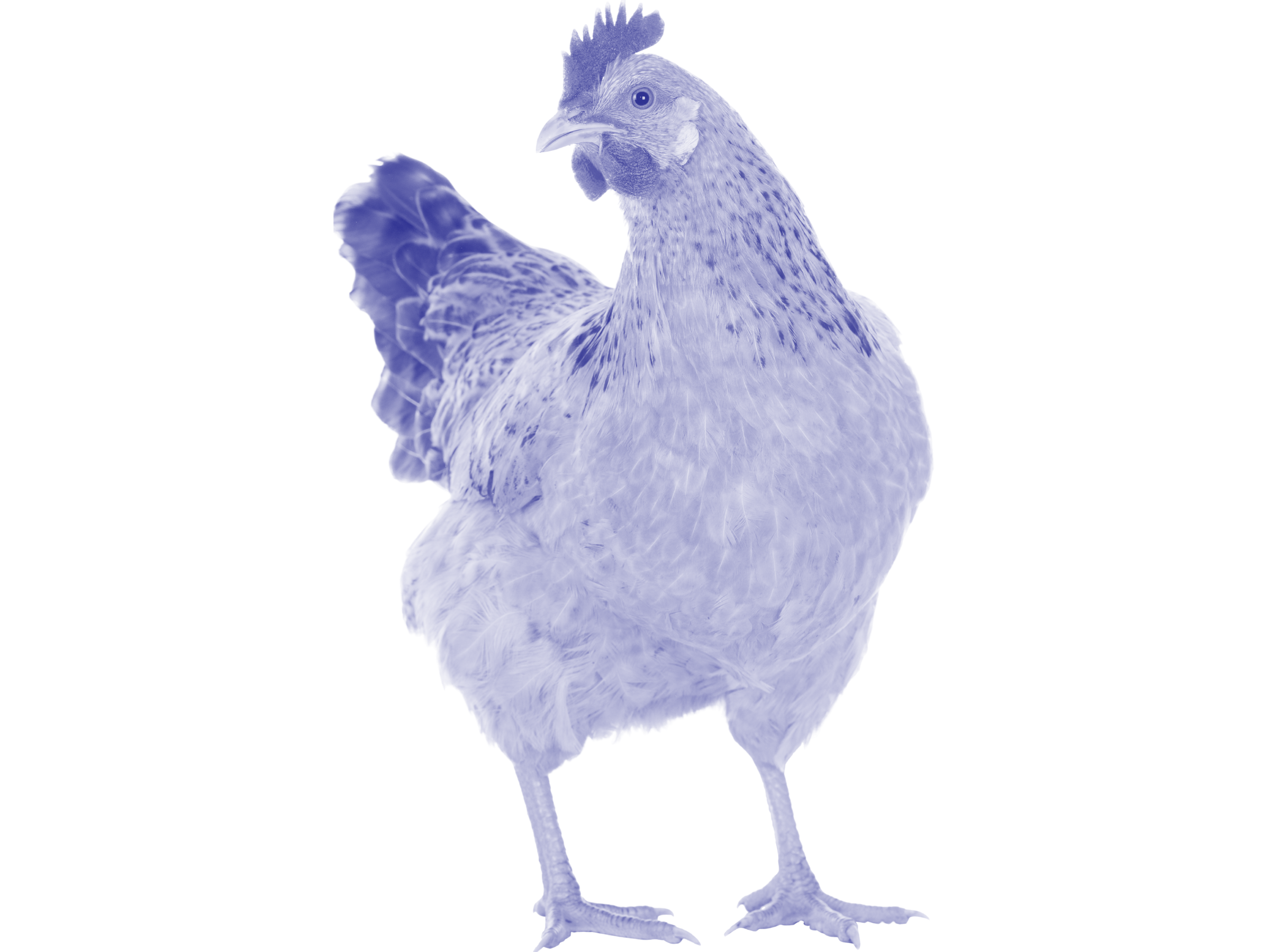
Saint Francis Saw Animals as Individuals. On Factory Farms, They’re Treated as Production Units.
Saint Francis approached each animal as an individual - “for to him each and every creature was a sister united to him by bonds of affection. That is why he felt called to care for all that exists” (Laudato Si’, 11). Today, billions of God’s animals on factory farms are treated like commodities - anonymous units of production, instead of as the thinking, feeling, awe-inspiring individuals they are.
More Animals Raised on Factory Farms Than Ever Before
The number of land animals farmed in the U.S. has doubled over the past 35 years, far outpacing our population growth. Chickens have suffered most: the vast majority are on megafarms that house hundreds of thousands, sometimes millions, of birds.
A Shocking Rise in Animal Consumption in the U.S.
Meat consumption in the United States has nearly doubled over the past century. Today, the average American eats more than three times the global average of meat, according to the Johns Hopkins Center for a Livable Future. This pattern reflects an imbalance: The excessive consumption of animals requires their mass suffering to sustain it.
Cramped Confinement and Suffering
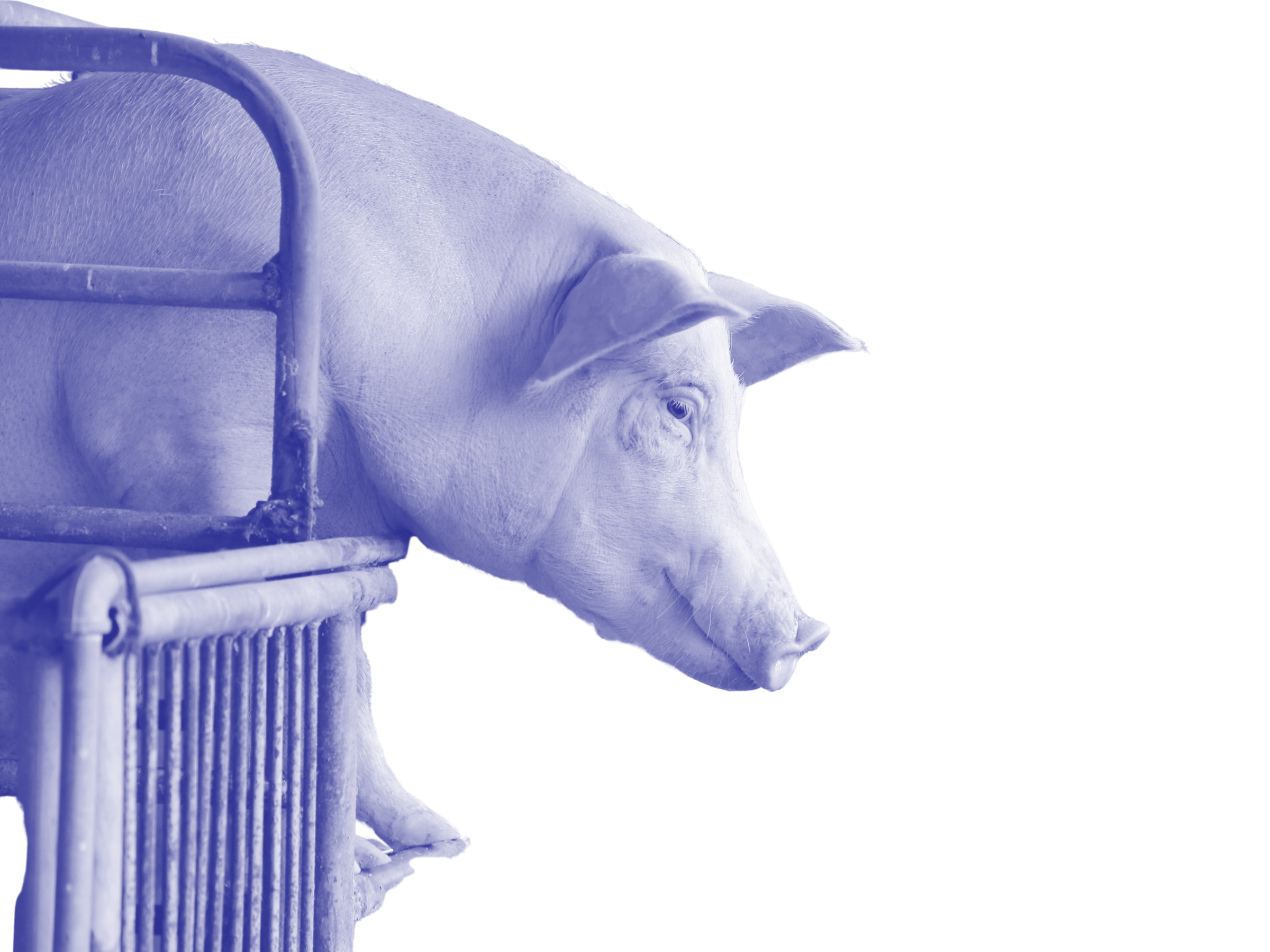
Billions of creatures’ one and only life on Earth is marked by confinement and suffering before they are hauled off to death, often on a high-speed kill line where, if stunning fails, many may be scalded alive or fully conscious as their throats are cut. This is the ultimate affront to God’s creation of beautiful sensitive creatures. Chickens on factory farms may only feel the sunlight once in their short lives: when they are loaded onto a truck and taken to be slaughtered. Mother pigs are routinely kept in gestation crates for their months-long pregnancies, unable to turn around.
Mutilations
To enable the mass confinement of so many animals, mutilations are routine on factory farms, including the dehorning of cattle, debeaking of chickens, and tail docking of pigs. The Animal Welfare Institute states: “With the exception of chickens raised for meat, the vast majority of farmed animals in the United States undergo at least one painful physical alteration over the course of their lives.”
Genetic Manipulation
Modern-day chickens raised for meat have been selectively bred to grow 258% faster than they did decades ago, to get them to “kill weight” in 47 days. Mercy for Animals says: “Often, their legs give out, and they’re forced to lie on waste-soaked litter. Because of this, chickens commonly suffer from burns and blisters on their bellies. Many animals can’t even stand up and slowly die because they are unable to reach food and water.”
Killed as Babies or Juveniles
Factory farming deprives animals of the full lifespan God designed. Animals on factory farms are routinely slaughtered as infants or juveniles - long before reaching maturity. This is done to make room for more animals to be killed and sold, and often to meet consumer demand for “tender” meat.
Day-Old Chick Culling
Every year in the U.S. up to 300 million male chicks are killed on their first day of life, because they can’t lay eggs and are thus considered useless. In a 2025 New York Times op-ed, author Sy Montgomery wrote, “...Newborn chicks are capable little creatures. Within hours of hatching, they are standing, running and successfully finding food. When they are thrown into the grinder or gasser at 1-day old, these male chicks are alert and aware.”

Animals, too, are God’s creatures… This degrading of living creatures to a commodity seems to me in fact to contradict the relationship of mutuality that comes across in the Bible.”
— Pope Benedict XVI
The Human Toll
Physical Risks Slaughtering and Processing Animals’ Bodies
Multiple government reports and studies underscore the extreme risks that slaughterhouse workers face, including two 2025 USDA reports that found that 81% of evaluated poultry plant workers and 46% of evaluated pig plant workers were at risk for musculoskeletal disorders. Human Rights Watch’s 2019 report on workers in U.S. meat and poultry plants details the pain-staking experiences of these men and women.
Psychological Toll of Killing
Most of us would not want to shackle, stun, kill, and dismember animals, so how can we ask others to do so? Studies, alongside first-hand accounts from workers, paint a deeply troubling picture of the psychological toll on our brothers and sisters in these settings. In one survey of slaughterhouse workers, an interviewee said, “The first time when I killed it was not easy for me. I feel pity for [the animal]. I felt I just wanted to close my eyes, turn around, and run away.”
Environmental Justice
Environmental health issues have been linked to factory farming. One study estimated that there are more than 17,900 premature deaths linked to reduced air quality from agriculture annually, and cited animal-related agriculture as a large driver of these.
Rural Farmers Forced to Get Big or Get Out
Reporting from Food & Water Watch has detailed how factory farming has negatively impacted rural communities, especially small farmers who have been forced to expand or get out. For example, the group highlights that, since the early 1980s, the number of pig farms in Iowa has dropped by nearly 90%, while the average number of pigs per farm has gone from 500 to more than 11,000 per year.
You feel isolated from society, not a part of it. Alone. You know you are different from most people. They don’t have visions of horrible death in their heads. They have not seen what you have seen. And they don’t want to. They don’t even want to hear about it.”
— Virgil Butler, Animal Activist and Former Slaughterhouse Worker

The Environmental Toll
Damaging the Environment
Globally, animal agriculture accounts for 14.5% of all human-caused greenhouse gas emissions. In the U.S., animals on factory farms produce more than 900 billion pounds of manure, double that of the human population, according to Food & Water Watch.
An Inefficient Use of Water
The Compendium of the Social Doctrine of the Church affirms access to safe drinking water as a “universal and inalienable right.” Animal agriculture uses a significant amount of water resources. The Humane League states that factory farming is “one of the leading causes of water pollution in the US.”
Wasting Our God-Given Resources
Food production uses 50% of all habitable land, yet, according to the World Economic Forum, nearly 80% of that land is dedicated to raising animals or growing their feed. And, despite how resource-intensive they are, animal products provide less than 20% of global calories and less than 40% of global protein.
Deforestation Driving Habitat Loss
A 2021 report from the United Nations Environment Programme called the global food system the “primary threat to biodiversity,” naming agriculture as the top threat to 86% of species facing extinction. The report urges a shift towards “plant-heavy” diets to free up land and support more diverse, sustainable ecosystems that benefit wildlife.
Change is possible.
The Single Most Important Action Everyone Can Take for God’s Animals
Although the issues facing animals may feel overwhelming, there is a simple yet powerful step everyone can take to make a real difference: choosing plant-based foods. Learn more.
Farm Transition Programs
Initiatives like Mercy for Animals’ Transfarmation project and Animal Outlook’s Farm Transformations program are supporting farmers who want to move out of industrial animal farming into specialized crop farming. These projects are slowly growing, working to create a model that larger government funding sources could eventually scale.
Institutional Change
Through turnkey programs like DefaultVeg and Greener-by-Default, institutions are flipping their default offerings from meat-based meals to delicious plant-based ones. Projects such as the NYC Health + Hospitals’ pilot at eleven city hospitals have seen great results, soaring client satisfaction ratings, and positive impacts for animals and our planet.
Legislative Efforts
Legislative efforts like the Farm System Reform Act have also been proposed. This would set a moratorium on new factory farms while directing more money to help farmers transition away from factory farming.