
Protecting Marine Animals and Our Oceans: An Interview with Elizabeth Hogan
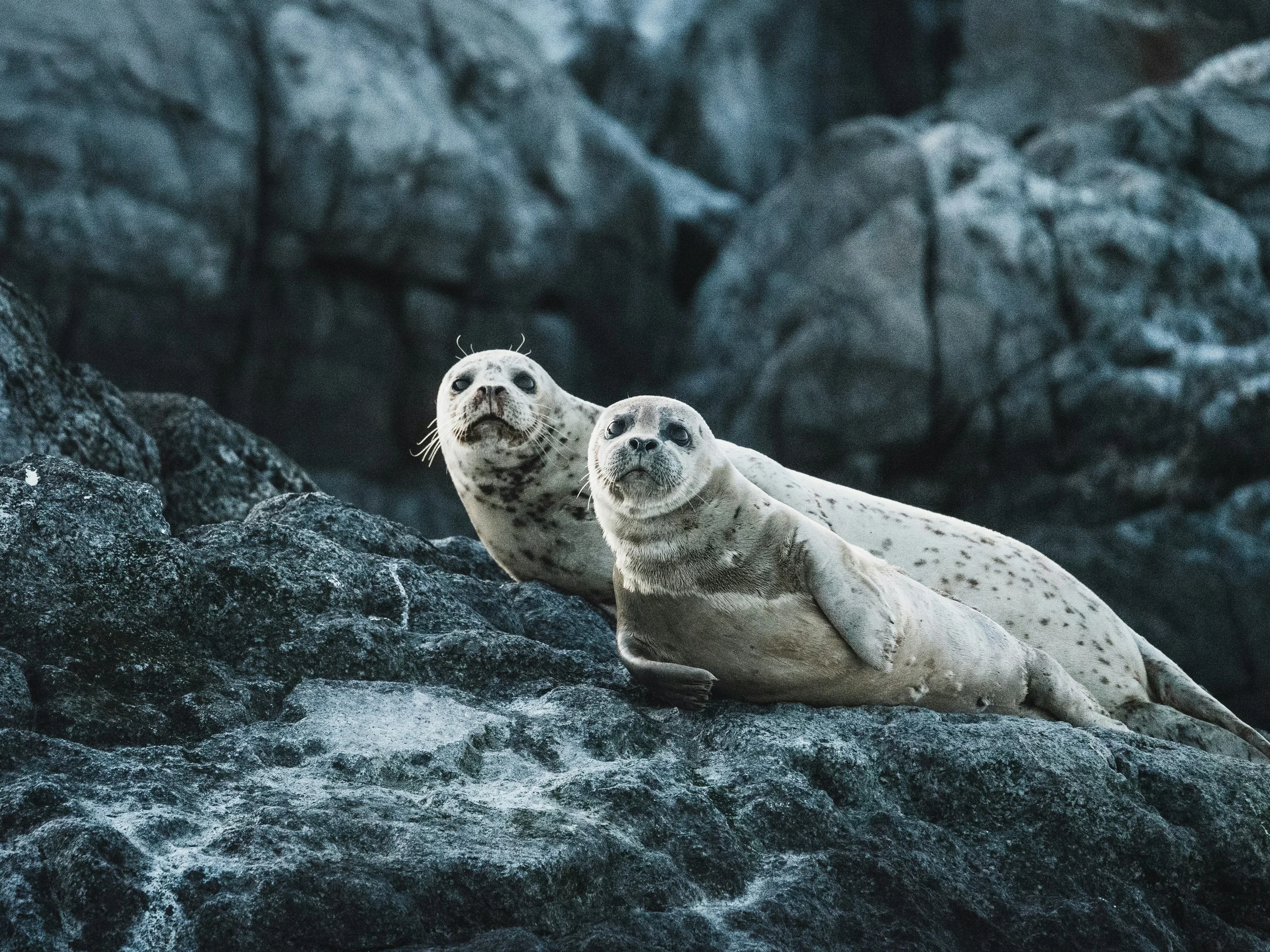
Did you know that the oceans are home to trillions of marine animals and produce roughly half of the world’s oxygen? Healthy oceans are essential to countless extraordinary creatures and to our planet as a whole. As Pope Francis reminded us, “everything is connected.”
Protecting our oceans and the marine animals who depend on them requires action on many fronts, from advancing scientific understanding and strengthening policies to tackling threats like plastic pollution and marine animal entanglement. One person who has excelled across all of these areas is marine ecologist and conservation expert Elizabeth Hogan. From rescuing entangled sea lions to shaping global ocean policy and addressing the growing problem of plastic pollution, Elizabeth has dedicated her career to protecting marine animals and some of our planet’s most vulnerable aquatic ecosystems.

Elizabeth Hogan. Photo by Kristian Whipple.
Currently, Elizabeth leads the scientific initiatives of the Perpetual Planet Expeditions program at the National Geographic Society, ensuring alignment between research expeditions and the organization’s environmental conservation and exploration goals, with a special focus on ocean and rainforest ecosystems.
Elizabeth previously led the Oceans and Wildlife program for World Animal Protection, where she specialized in ocean plastic pollution, marine mammal entanglement, and sustainable fisheries. In 2015, she co-founded the Global Ghost Gear Initiative, a worldwide coalition dedicated to scientific research on ocean-based plastic pollution and mitigating its effect on marine wildlife, including the rescue of cetaceans and pinnipeds.
She was the lead author of the USAID handbook on ocean plastic pollution mitigation and has informed policy on ocean health and fisheries management at the State Department, the United Nations, and the Food and Agriculture Organization.
We were thrilled to connect with Elizabeth to learn more about her career journey, the challenges facing marine animals, and what each of us can do to help protect them. Read on for our conversation.
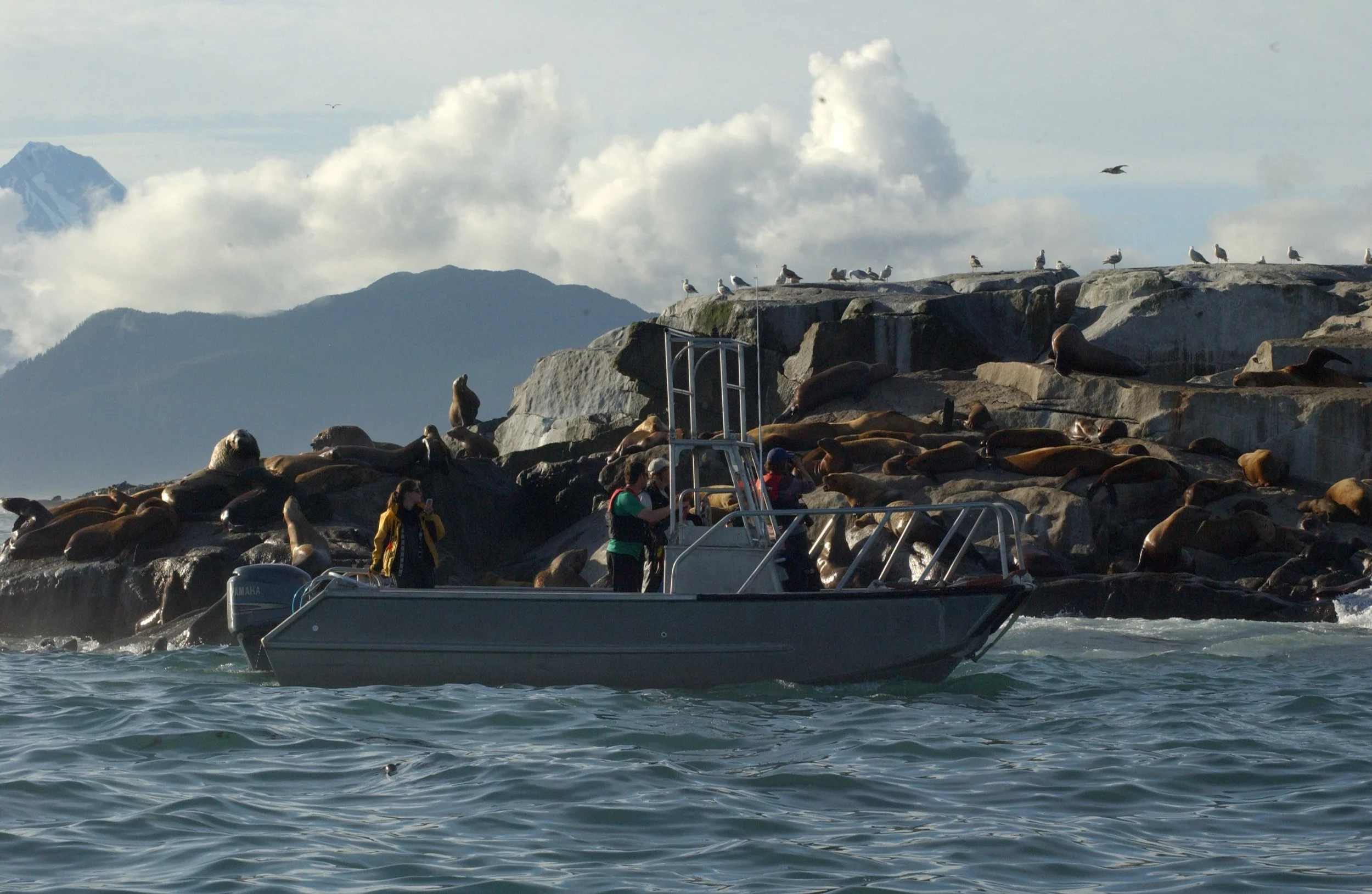
Elizabeth and fellow scientists conduct disentanglement rescues as well as a population survey of Steller sea lions in the Inian Islands within the Gulf of Alaska. Photo by John Skinner.
What inspired you to pursue a career in marine biology?
EH: I grew up on the east coast, and being on the ocean has always made me happy, ever since I was very young. The animals that lived there always inspired me, and once I learned about all of the ways that human activity harmed marine wildlife, fixing those problems was the only thing that I wanted to do.
What issue facing marine animals today do you feel deserves greater attention?
EH: Seabed mining and bottom trawling are the two forms of industrial activity that cause tremendous harm to the ocean, tearing up the seafloor, destroying coral reefs, creating sediment plumes, releasing stored carbon, depleting much-needed elements of the food web, and disrupting migration pathways. Commercial fishing introduces plastic nets, sometimes several kilometers in length, presenting a major risk of entanglement. In the case of mining, underwater blasts and vibrations create severe hazards for marine wildlife. Because the deep ocean is dark, many marine species rely entirely on sound to navigate, hunt, and mate, but the noise pollution from mining activity obscures the soundscape needed by wildlife, and often causes physical harm to fish and marine mammals.
What project or experience in your work has been especially meaningful to you?
EH: A standout experience for me was the opportunity to serve as Chief Scientist onboard an expedition to the Southern Ocean about 18 months ago. I was part of a multidisciplinary research team that was studying the entire ocean profile, from the ice at the surface to organisms and fluids below the seafloor. Being part of a group of scientists from all over the world with different areas of expertise and seeing what additional discoveries were possible when multiple teams worked together was one of the most rewarding experiences of my career.
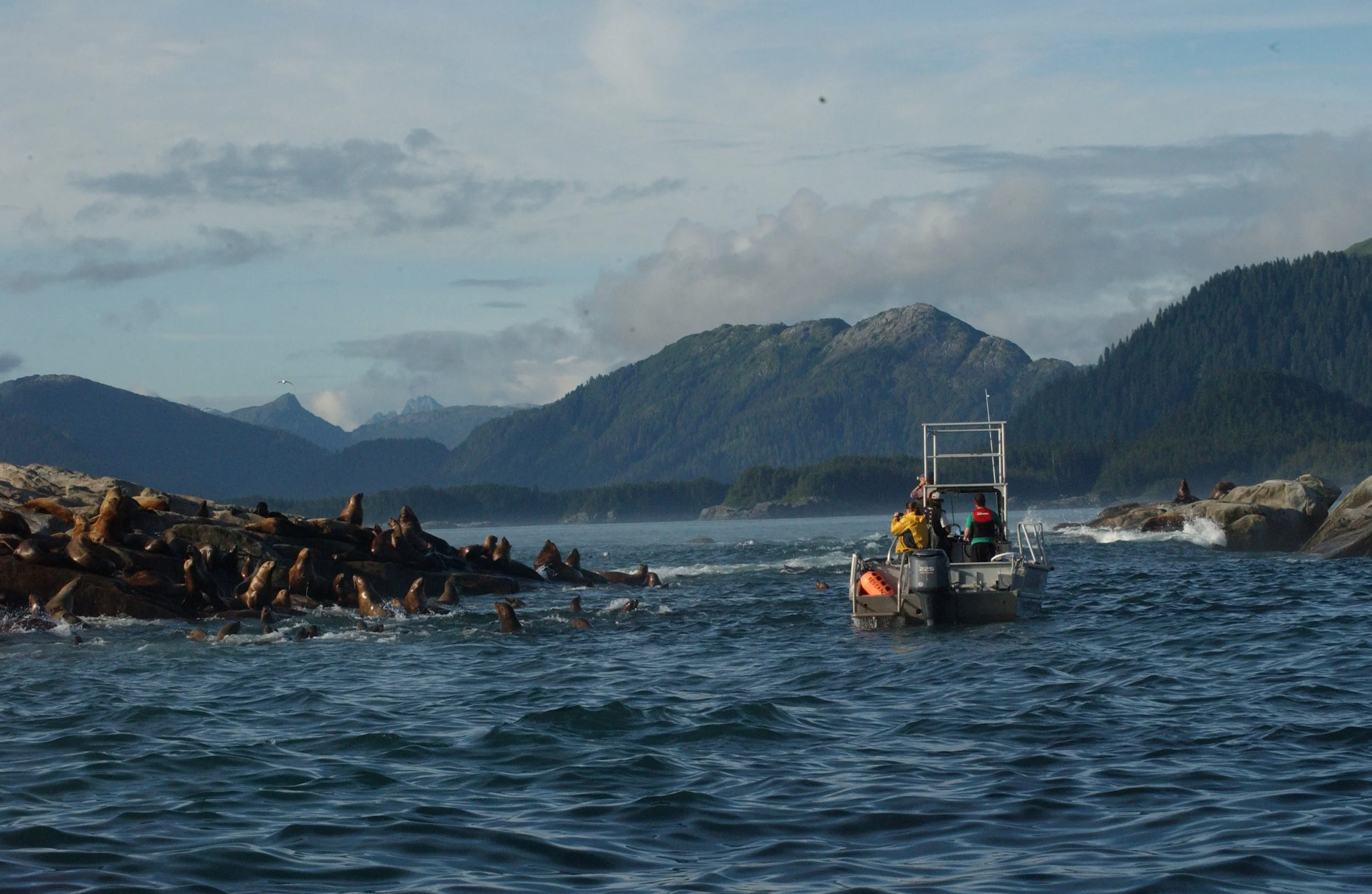
Photo by John Skinner.
Another meaningful experience was when I had the opportunity to participate in disentanglement work on Steller sea lions in Alaska. Having the chance to learn firsthand from the experts that lead this rescue work how to alleviate that type of long term suffering - one animal at a time - was both incredibly rewarding and frustrating. A single plastic item blowing away into the water causes a lifetime of misery for an intelligent, social animal, and while hundreds of thousands become entangled every year, very few are ever rescued or treated.
Is there a particular marine animal that fascinates you?
EH: One marine animal that I have never seen in the wild and has always fascinated me is the walrus. Their life cycle makes immense contributions to the function of the Arctic ecosystem through a process called bioturbation: they use their sensitive whiskers and powerful tusks to locate and dig up bivalves (clams) to feed on, and this digging releases trapped organic materials and nutrients into the water column, increasing nutrient flow and oxygenation, and the pits formed in the sea floor create new micro-habitats and structures for small invertebrates. They are incredible ecosystem engineers and I would love to see them in the wild if I ever have the opportunity!
How can each of us play a role in protecting marine life and the waters we all depend on?
EH: Try to remain aware that your choices have impact, no matter how small or faraway they may seem. Every day you get to make choices, including choices to not use single-use plastic or to be more energy efficient. It may not feel like much, but I promise that it does make a difference to ocean wildlife and to the planet. And you never know what setting that example can achieve in changing others' behavior as well.
What gives you hope for the future of marine animals and our oceans?
EH: Because the majority of the challenges facing marine wildlife are human-induced, that means that humans should be able to address them as well. We have a collective responsibility to find solutions to the dangers that our actions pose to the ocean and its inhabitants. Human ingenuity is incredibly powerful; with the right commitment of resources, these problems are solvable.