
Farmed Animal Sanctuaries: Refuges for the Vulnerable
by Liz Cabrera Holtz
Photograph: Victoria de Martigny / Farm Sanctuary / We Animals
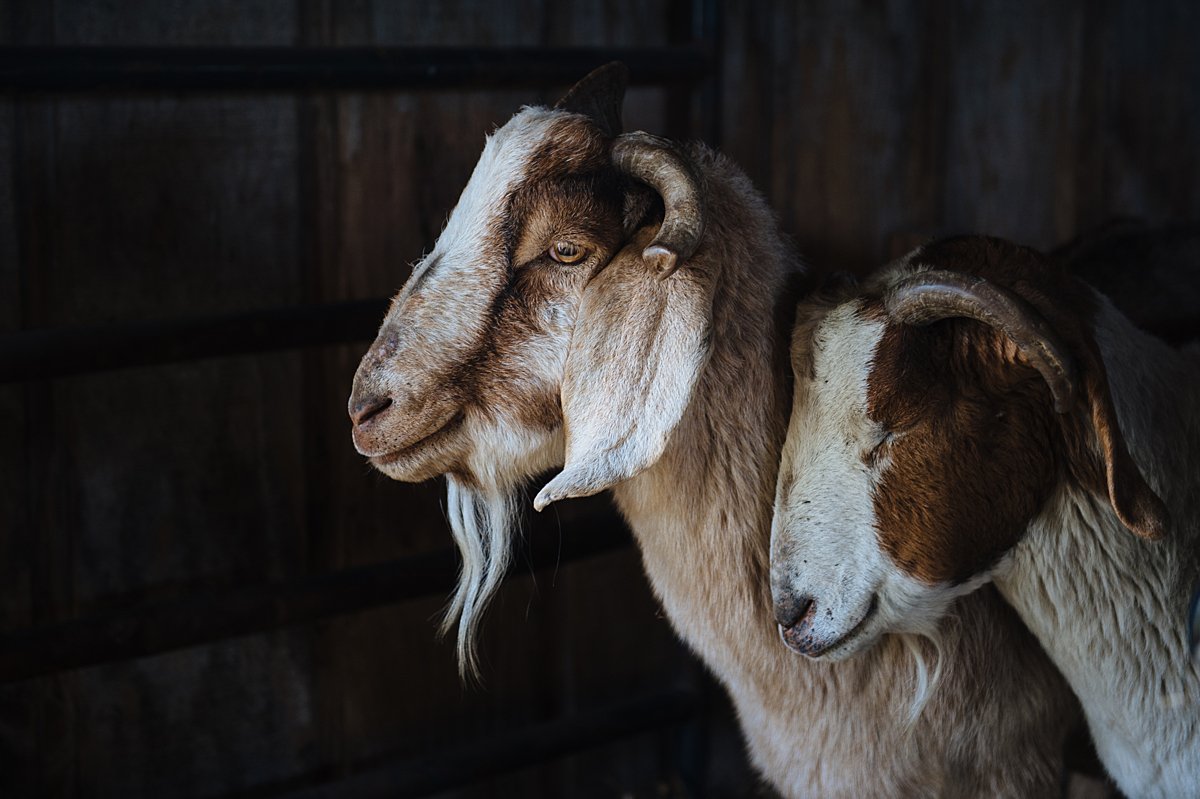
An estimated 10 billion land animals are killed for food every year in the US. But for a precious few farmed animals, life is very different. Farmed animal sanctuaries provide lifelong care for abandoned and neglected pigs, chickens, cows, goats, and many other animals. Instead of cold metal crates, pigs live in warm straw-filled barns. Instead of being trapped inside tiny wire cages, chickens wander grassy fields with their friends.
Esther the Wonder Pig
Esther the Wonder Pig was sold as a “micro pig” when she was a baby. Esther quickly grew much larger than her parents expected, eventually reaching 600 pounds. Far from micro, Esther turned out to be an American Yorkshire pig, the most common breed of pig on factory farms. The average American Yorkshire pig is between 450 and 750 pounds and is nearly 3 feet tall.
Her story isn’t unique. There’s no such thing as a “micro” or “mini pig.” Well-meaning people are often misled about how much these pigs will grow. As a result, most pigs like Esther are abandoned or relinquished to shelters. Instead, Esther’s parents turned their lives upside down to care for her, establishing Happily Ever After Esther Farm Sanctuary and creating an immensely popular social media account where Esther inspired countless people to reconsider what they put on their plates. Before her death at age eleven, she had millions of followers and a book on the New York Times bestseller list. In 2018, her followers donated more than $750,000 to purchase a large animal CT scanner for the University of Guelph’s Ontario Veterinary College, which helped determine the cause of her health conditions.
Esther’s impact is difficult to quantify. Almost all farmed animals born today will endure severe cruelty for most of their lives to supply cheap meat, dairy, and eggs for people. There is extensive research that proves factory farming is a major contributor to the climate crisis. But I have yet to find an argument more persuasive for plant-based diets than Esther.
Sanctuary for Abused and Neglected Farmed Animals
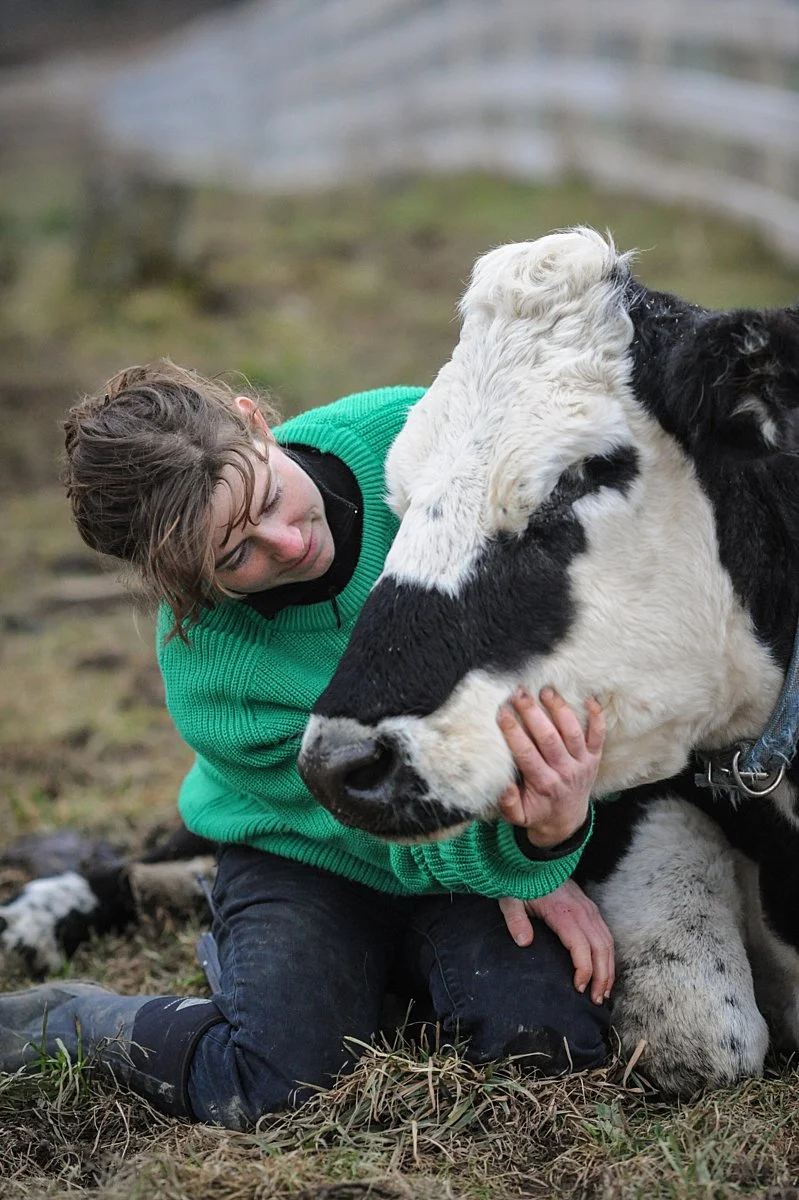
The Global Federation of Animal Sanctuaries, an organization that accredits and supports sanctuaries, defines a sanctuary as any facility that provides a temporary or permanent safe haven for animals. Many Catholics are already familiar with the idea of sanctuary. For us, a sanctuary is a consecrated place that gives protection to those fleeing injustice or persecution. Farmed animal sanctuaries might not be consecrated in a religious sense. Still, there is something holy about sitting quietly with grazing cows—cows who will never again know the fear and terror that cows in factory farms endure every day.
Photograph: Jo-Anne McArthur / We Animals
Though farmed animal sanctuaries' primary purpose is to care for animals, their residents offer us so many gifts. Humans are storytellers. It’s how we make sense of the world. We learn what it means to be Catholic through stories about Jesus’ life, and how to love your neighbor through parables like the Good Samaritan. And we come to know the depth and beauty of farmed animals like Esther, Maya, and Wee Wee from spending time with them and learning their stories.
Visit or Volunteer at a Sanctuary
Managing a sanctuary is difficult, expensive, and sometimes heartbreaking work, but without sanctuaries, who would help tell these animals’ stories? Consider supporting your local animal sanctuaries by visiting, donating, or volunteering. Be sure to do your research beforehand. Unfortunately, there are many pseudo-sanctuaries in the US and worldwide. These “sanctuaries” are actually roadside zoos in disguise—small menageries where animals are exhibited for profit. While many reputable farmed animal sanctuaries aren’t accredited, be wary of unaccredited wild animal sanctuaries in the US. If a ”sanctuary” allows visitors to touch wild animals, don’t visit. Refer to the GFAS’ list of accredited and verified sanctuaries to find sanctuaries that you can be confident about supporting.