
Vatican Document Invites Respect and Care for Animals
by Daniel Mascarenhas, SJ
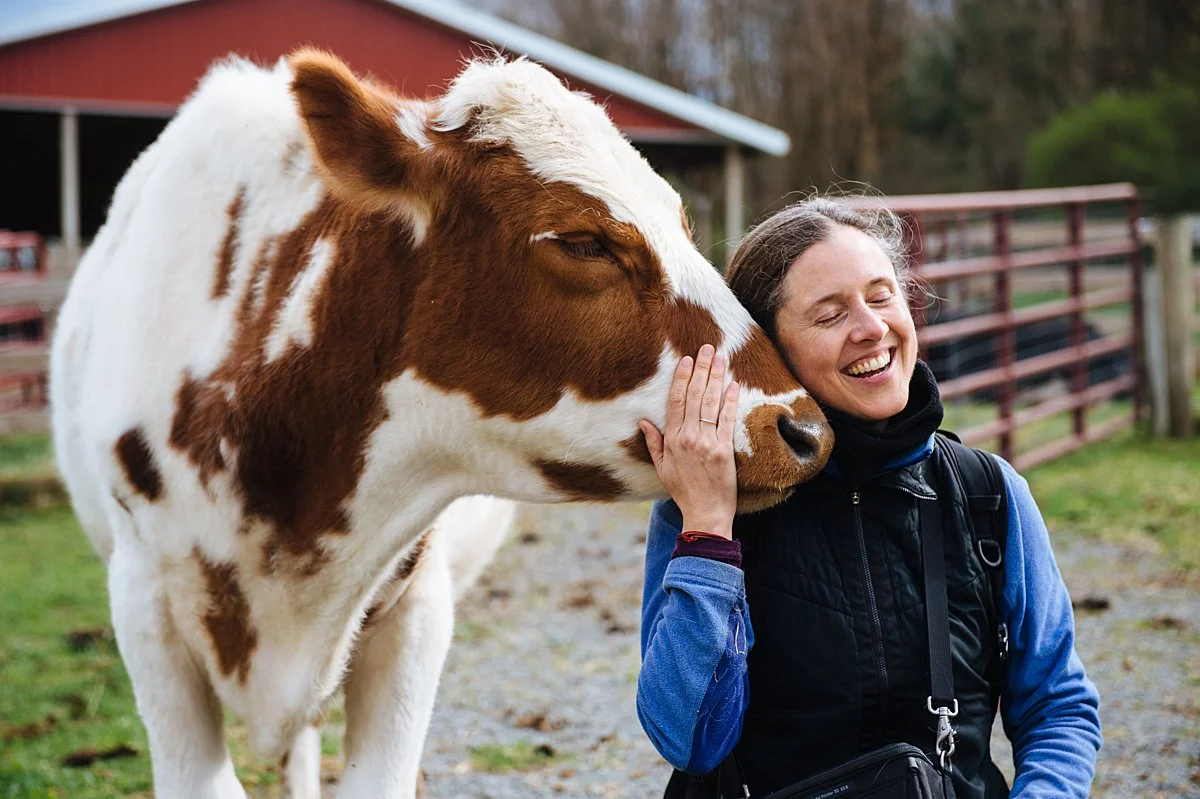
Credit: Victoria de Martigny / Farm Sanctuary / We Animals
Two Vatican offices – the Dicastery for Promoting Integral Human Development and the Dicastery for Laity, Family, and Life – recently released a document titled “Integral Ecology in the Life of the Family” that offers guidelines for families for the care for creation and human life.
Building up on numerous themes from Laudato Si, the document exhorts humans to include non-human animals in their circle of concern. It notes that “everything has been wisely ordered from the beginning [by God], so that all creatures contribute to the realization of the Kingdom of God.” (p.5) As Christians, we must take seriously the status of non-human animals in God’s kingdom. Consequently, care for other creatures “represents a true vocation for every human being,... without ever forgetting that we are creatures among creatures.” (p.5) As fellow creatures, humans ought to assist all God’s creatures in furthering God’s kingdom in this world.
Helpfully, the document suggests ways of working towards a deeper communion with other creatures, especially non-human animals. It tells us to “teach our children respect and care for animals.” (p.25). Thus, we have a duty to teach and promote respect for all life. “In the family we first learn how to show love and respect for life; we are taught respect for the local ecosystem and care for all Creatures.” (p.52) Factory farms which produce almost all the meat, dairy, and eggs in the world are hellish places that are well-known for treating animals with utter brutality. Such disrespectful treatment of God’s creatures is ultimately disrespectful towards the Creator.
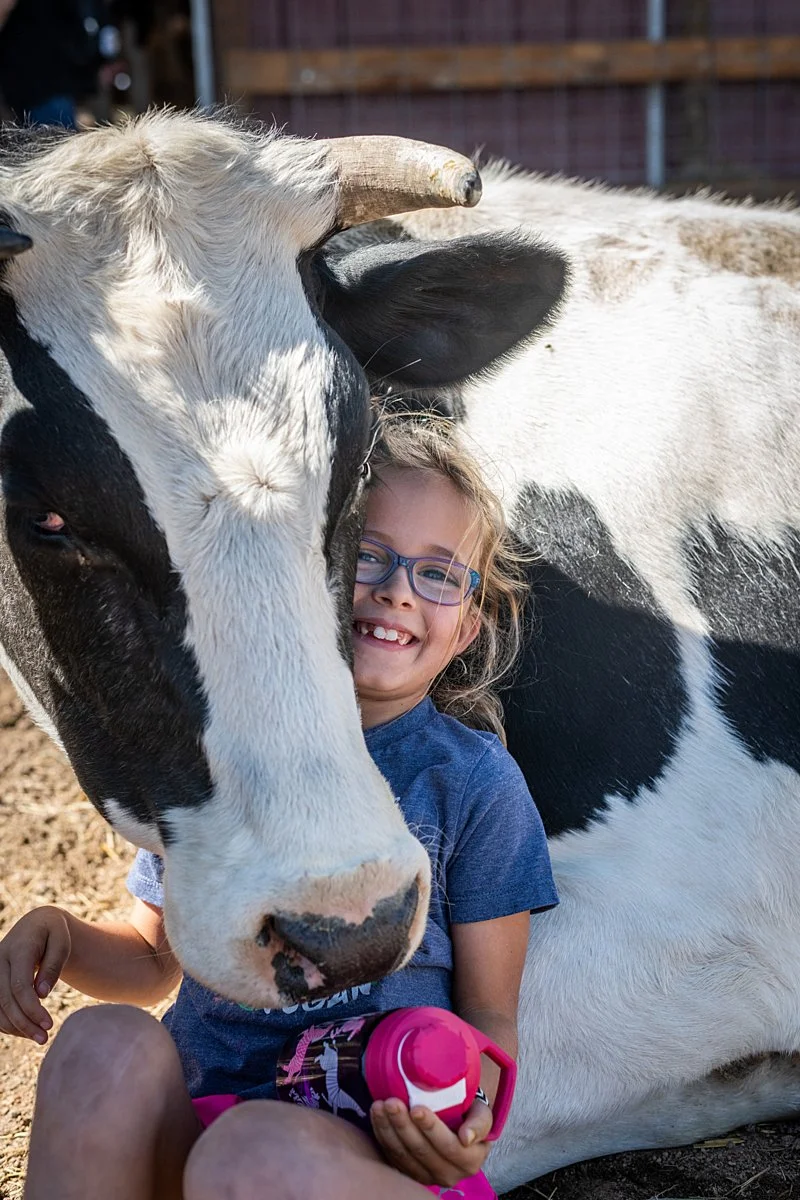
Field experiences, such as farm sanctuary visits, help to facilitate future commitments to protecting animals. Here, a young visitor and rescued cow Marley Rose enjoy a relaxing moment at Luvin Arms Sanctuary in Colorado. Credit: Jo-Anne McArthur / We Animals.
Concretely, we must get to know other creatures. We can love well only what we know well. Perhaps, that explains our love for dogs and our lack of love for cows. The document proposes that we engage in “field experiences, solidarity-related activities, cleaning campaigns, agricultural works or gardening, and caring for animals” because it “may – step by step – facilitate future commitment.” (p.56) If we get to know animals, we will feel a sense of kinship with them. We could visit farm sanctuaries that care for rescued farm animals. These places provide wonderful opportunities for humans to get to know the lives of non-human animals. I believe that those who have pet a cow would have great difficulty in participating in violence towards them. On the flip side, we could learn more about the treatment of animals on factory farms and in slaughterhouses such that our innate goodness will move us to abhor such violence towards fellow creatures. An informed conscience will move us to consider alternatives to factory farmed animal products.
“If we get to know animals, we will feel a sense of kinship with them…. On the flip side, we could learn more about the treatment of animals on factory farms and in slaughterhouses such that our innate goodness will move us to abhor such violence towards fellow creatures.”
Most importantly, we must begin – right away if I may add – by rejecting any participation in violence towards animals. We may not be able to end all the violence and disrespect towards farm animals in one fell swoop. But we can definitely decline any involvement in inherently violent systems such as factory farms that grievously and willfully harm animals. We ought to abstain from consuming any of their products as far as possible. Thankfully, we have numerous plant-based food options readily available in most grocery stores. Speaking from personal experience, I can say that a plant-based diet is nutritionally sufficient (even healthier), economically feasible (even cheaper), conveniently available and surprisingly delicious. While the Vatican document itself exhorts us only to “give up eating meat on Fridays” (p.50), I believe that disciples of Christ who strive for excellence cannot rest on the laurels of being non-violent for only one day a week. Our commitment to non-violence ought to be a daily endeavor throughout our earthly lives.
Credit: Jo-Anne McArthur / #unboundproject / We Animals
Let us remember and honor our communion with all of God’s creatures. “Laudato Si’ states that everything is related: all creatures exist to give glory to God, all ecosystems – human, animal, plant – are part of creation and are linked by unseen bonds that form a kind of universal family, a sublime communion.” (p.62) In God’s family, there is no room for violence by humans towards non-human animals.
Daniel Mascarenhas, SJ is a Jesuit scholastic (seminarian) who recently graduated with a Master of Divinity from Boston College and is preparing to be ordained to the priesthood on June 13, 2026. You can find more of his work at his website: vegancatholic.org