Learn / Church Teachings / The Catechism of the Catholic Church on Animals
The Catechism of the Catholic Church on Animals


It is contrary to human dignity to cause animals to suffer or die needlessly.”
— Catechism of the Catholic Church, 2418.
Initiated by Saint John Paul II and published in 1992, the Catechism of the Catholic Church outlines Church teachings on a wide range of issues, including our moral responsibilities toward animals.
The Catechism also highlights the vital command that God has given us: to journey together, actively co-creating a loving, peaceful world.
On Respecting Animals
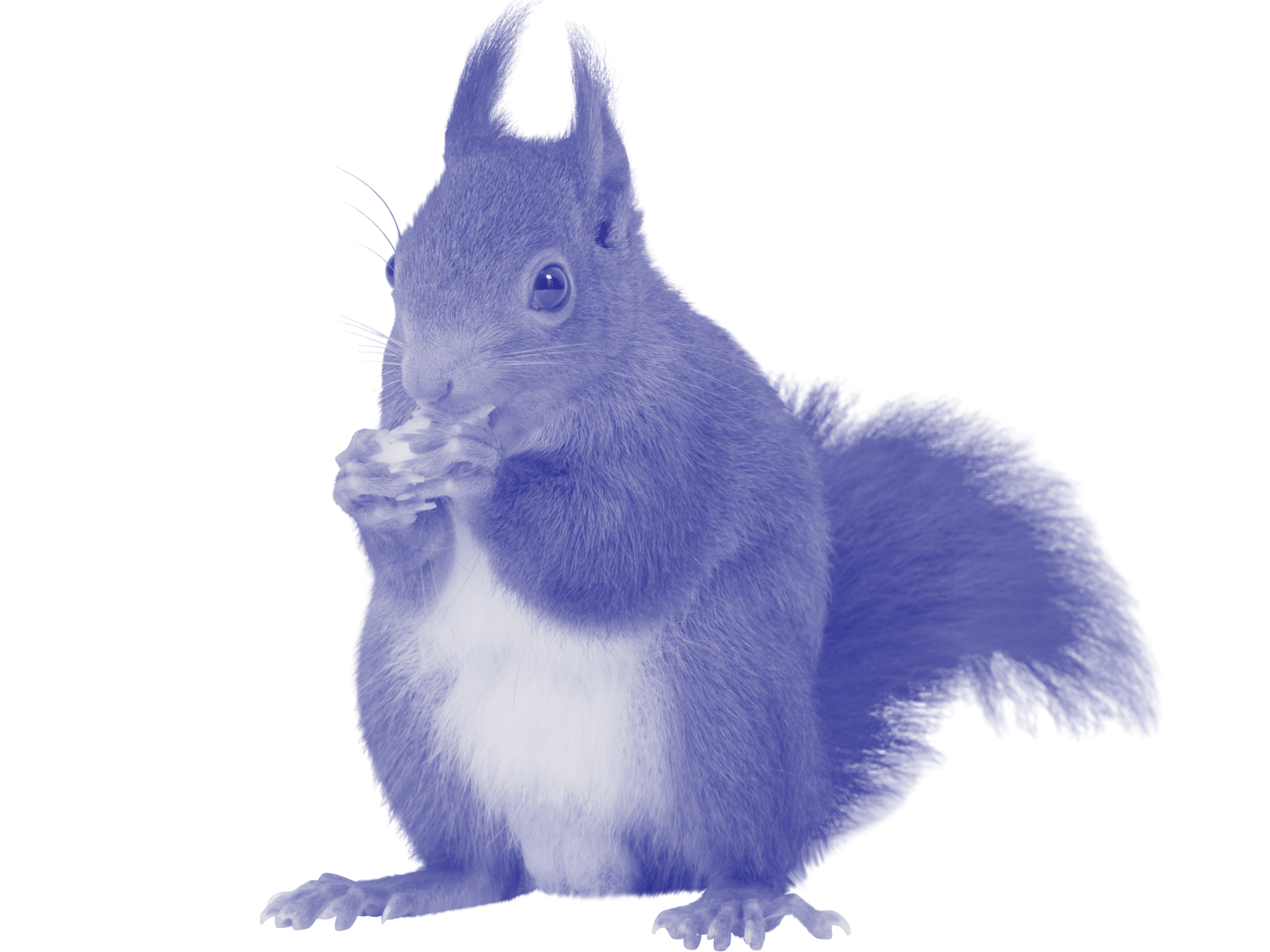
The Catechism tells us, “Animals are God’s creatures” (CCC, 2416). It states that humanity’s dominion over them is not “absolute,” but rather “requires a religious respect for the integrity of creation.” The Catechism teaches that animals, by their very existence, bless and glorify God. It adds: “Thus men owe them kindness. We should recall the gentleness with which saints like St. Francis of Assisi or St. Philip Neri treated animals” (CCC, 2416). Critically, it teaches: “It is contrary to human dignity to cause animals to suffer or die needlessly” (CCC, 2418).
“God’s Co-Workers”: Journeying to Realize Harmony in Creation
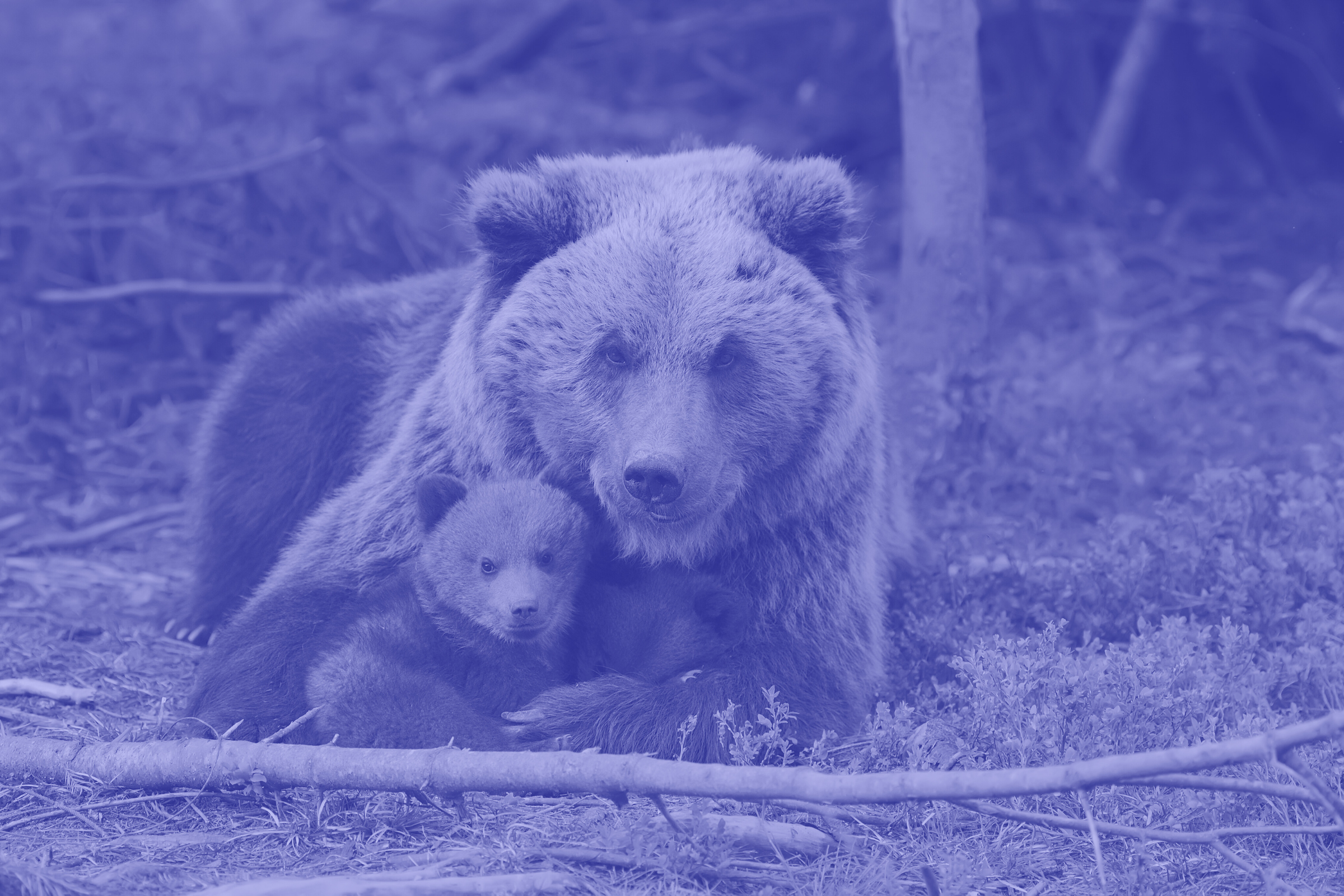
In addition to avoiding needless suffering or death, the Catechism affirms that we each play a vital role in creating a peaceful, loving world.
The Catechism’s first chapter affirms God’s sovereign role as the Creator of all things and that all creation was made out of His profound love. It also discusses Christian belief and Scriptural teaching (Wisdom 11:24-26) that “God created the world according to his wisdom” (CCC, 295) and loves all that He has made.
From there, the Catechism discusses the “state of journeying” (CCC, 302) – an important and inspiring concept that means that God did not simply create the world in its final form. Rather He is constantly working, with us and through us, so that we may cooperate “in the accomplishment of His plan” (CCC, 306).
Thus, the Catechism refers to humans as God’s “co-workers for His kingdom” who have been created to be intelligent and free “to complete the work of creation, to perfect its harmony for their own good and that of their neighbors” (CCC, 307).
We must ask: What will we do with this sacred duty? How are we creating a world that brings about harmony for all of God’s creation?
Each creature possesses its own particular goodness and perfection… Each of the various creatures, willed in its own being, reflects in its own way a ray of God’s infinite wisdom and goodness. Man must therefore respect the particular goodness of every creature, to avoid any disordered use of things which would be in contempt of the Creator and would bring disastrous consequences for human beings and the environment.”
– Catechism of the Catholic Church, 339