

Learn / Church Teachings / Pope Francis and Laudato Si’
What Pope Francis’s Laudato Si’ Says About Animals
Laudato Si’ calls on us to care for our common home and all of our fellow inhabitants. In this powerful encyclical, Pope Francis urges everyone to reject the mistreatment of animals.
In 2015, Pope Francis published his ground-breaking environmental encyclical, Laudato Si’: On Care for Our Common Home. Laudato Si’ means Praise Be to You. As Pope Francis states in the opening words, the title is drawn from Saint Francis of Assisi’s Canticle of the Creatures, in which he sings the praises of God through the beauty of our shared home.
In Laudato Si’, Pope Francis writes not only to Catholics but to all people, and he urges meaningful action and “a conversation which includes everyone” to remedy the harms we have inflicted on the earth and its creatures. He points out the close link between the destruction of our planet and the disproportionate harm to individuals in poverty. Throughout this beautiful document, he discusses our duty to reject the mistreatment of animals, and to remember their intrinsic value and dignity.


Excerpts from Laudato Si’:
“[Saint Francis’s] response to the world around him was so much more than intellectual appreciation or economic calculus, for to him each and every creature was a sister united to him by bonds of affection. That is why he felt called to care for all that exists…” LS, 11.
“…If we feel intimately united with all that exists, then sobriety and care will well up spontaneously. The poverty and austerity of Saint Francis were no mere veneer of asceticism, but something much more radical: a refusal to turn reality into an object simply to be used and controlled.” LS, 11.
“We must forcefully reject the notion that our being created in God’s image and given dominion over the earth justifies absolute domination over other creatures.” LS, 67.
“In our time, the Church does not simply state that other creatures are completely subordinated to the good of human beings, as if they have no worth in themselves and can be treated as we wish. The German bishops have taught that, where other creatures are concerned, ‘we can speak of the priority of being over that of being useful.’” LS, 69.
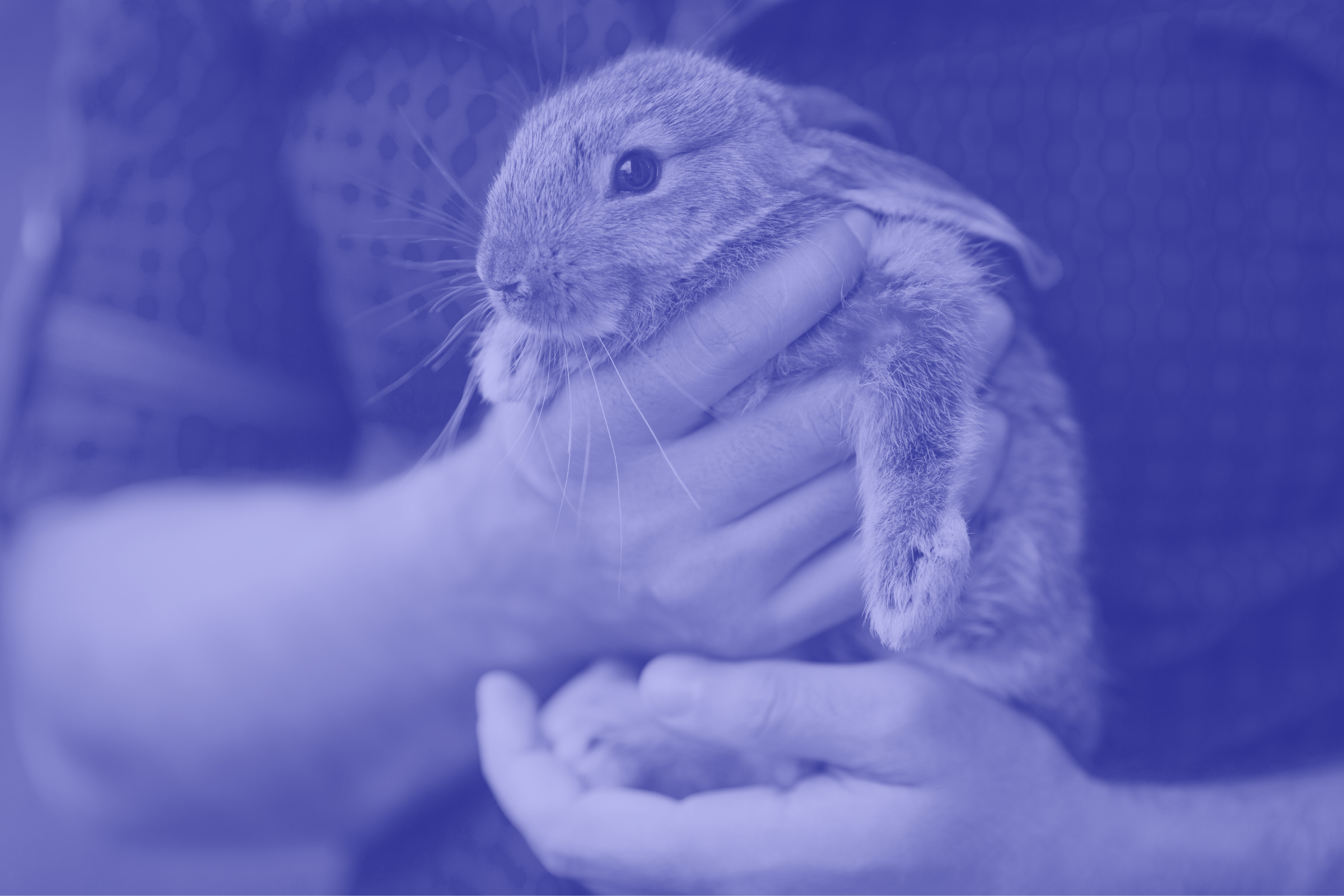
“The Catechism clearly and forcefully criticizes a distorted anthropocentrism: ‘Each creature possesses its own particular goodness and perfection… Each of the various creatures, willed in its own being, reflects in its own way a ray of God’s infinite wisdom and goodness. Man must therefore respect the particular goodness of every creature, to avoid any disordered use of things.’” LS, 69
“The ultimate purpose of other creatures is not to be found in us.” LS, 83.
“Our insistence that each human being is an image of God should not make us overlook the fact that each creature has its own purpose. None is superfluous.” LS, 84.
“Moreover, when our hearts are authentically open to universal communion, this sense of fraternity excludes nothing and no one. It follows that our indifference or cruelty towards fellow creatures of this world sooner or later affects the treatment we mete out to other human beings. We have only one heart, and the same wretchedness which leads us to mistreat an animal will not be long in showing itself in our relationships with other people.” LS, 92.
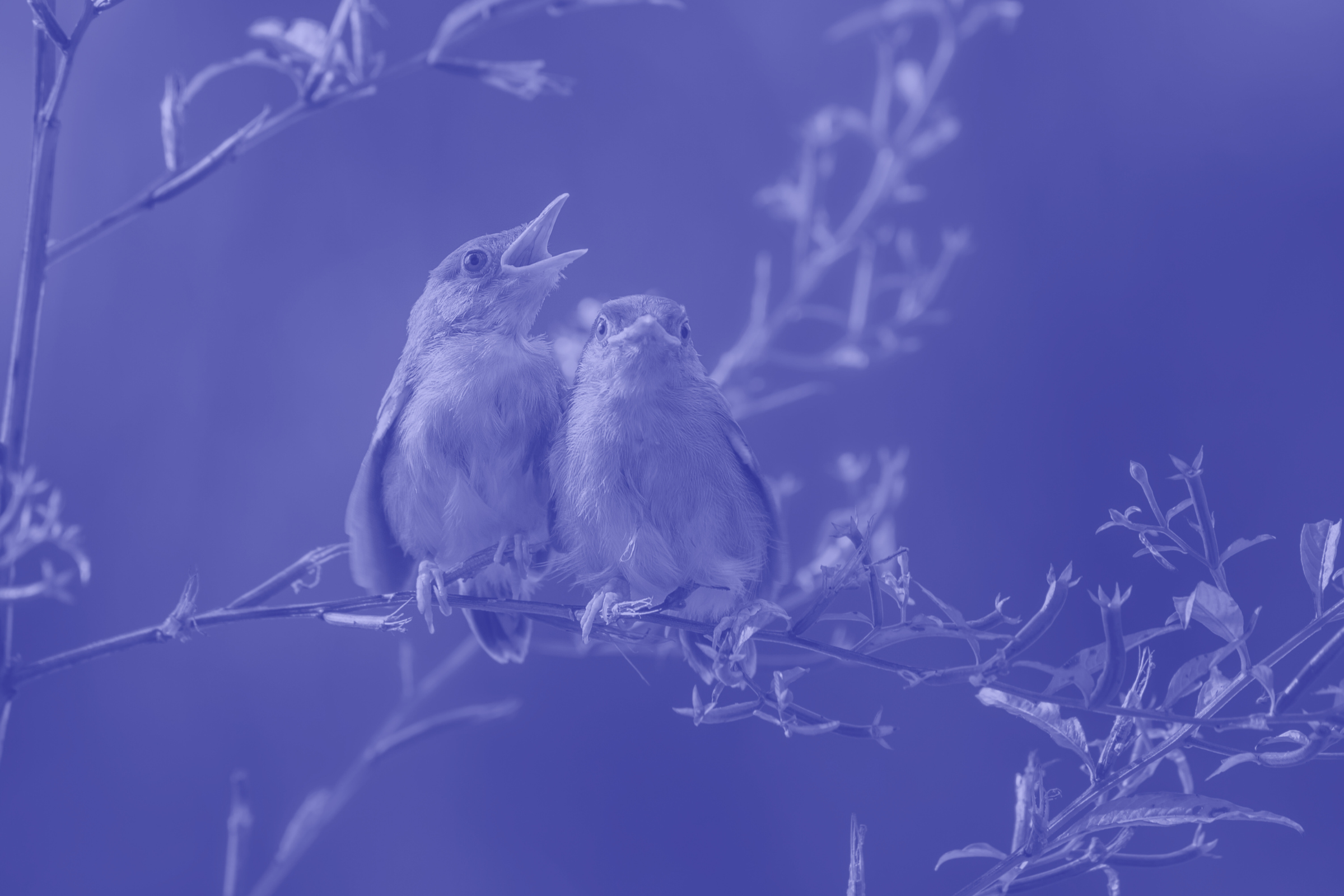
“Every act of cruelty towards any creature is ‘contrary to human dignity.’” LS, 92.
“We are always capable of going out of ourselves towards the other. Unless we do this, other creatures will not be recognized for their true worth; we are unconcerned about caring for things for the sake of others; we fail to set limits on ourselves in order to avoid the suffering of others or the deterioration of our surroundings. …. If we can overcome individualism, we will truly be able to develop a different lifestyle and bring about significant changes in society.” LS, 208.
“We read in the Gospel that Jesus says of the birds of the air that “not one of them is forgotten before God” (Lk 12:6). How then can we possibly mistreat them or cause them harm? I ask all Christians to recognize and to live fully this dimension of their conversion. May the power and the light of the grace we have received also be evident in our relationship to other creatures and to the world around us. In this way, we will help nurture that sublime fraternity with all creation which Saint Francis of Assisi so radiantly embodied.” LS, 221.