
Caring for Creation: The Invisible Threat Facing Birds
by Kristin Dunn
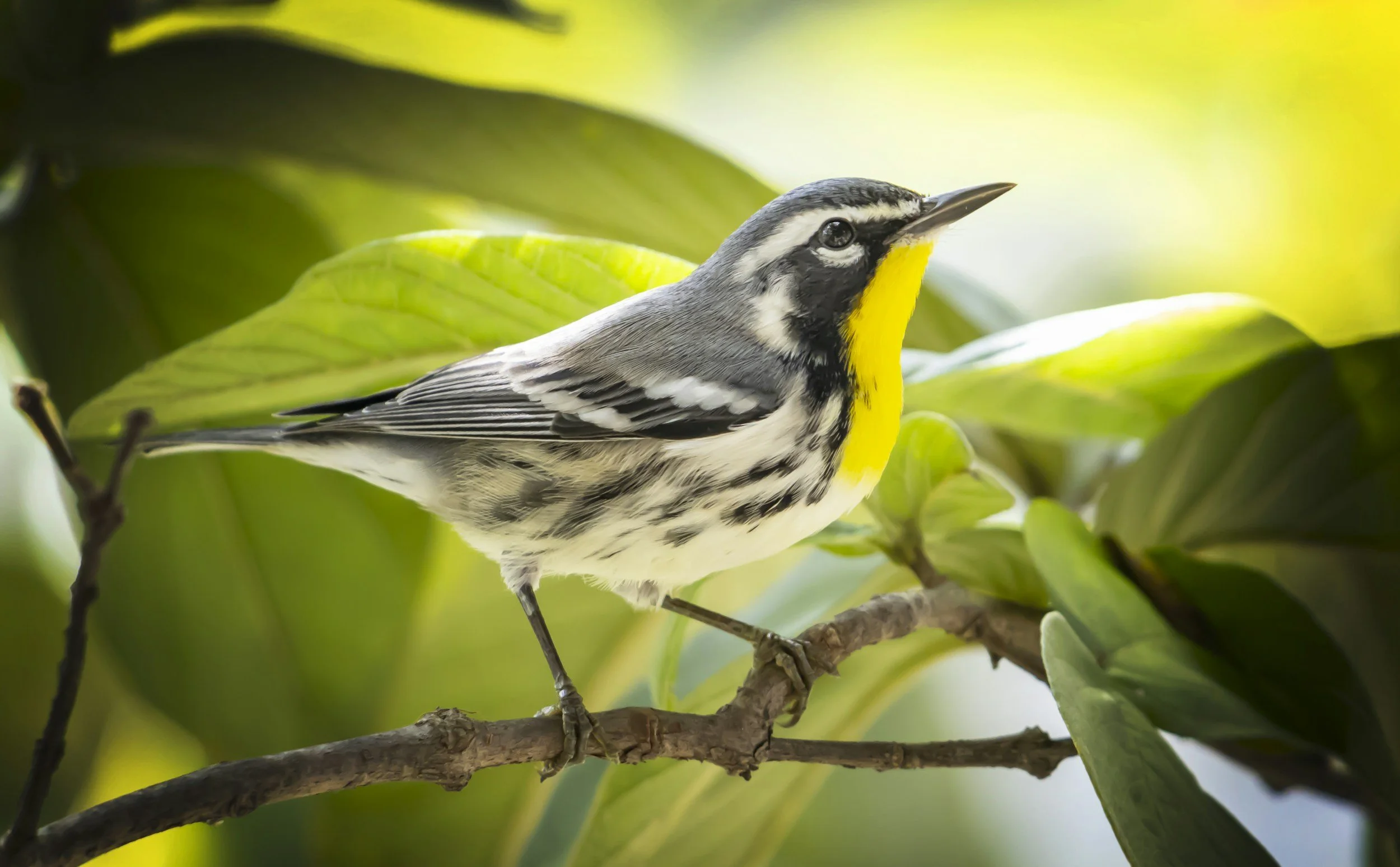
More than one billion birds die from window collisions annually in the U.S. The hopeful news? These are preventable, and our actions can save birds’ lives.
Saint Francis of Assisi’s love for birds, and his recognition of them as fellow creatures, has inspired people around the world for centuries. Birds are highly intelligent, capable of extraordinary feats of flight, communication, navigation, and survival. They care for one another, often fiercely protect their young, and may flock or mate for life. Birds are also environmental superstars, working overtime to keep the environment healthy and functioning. And, as if this weren’t enough, they bring beauty and joy into our lives; simply seeing birds or hearing their song has been shown to positively impact feelings of mental well-being–one of countless signs of how everything is connected.
Tragically, however, human development choices have had devastating consequences for these creatures. Each year, in the U.S. alone, an estimated one billion birds die preventable deaths due to window collisions. Birds cannot see glass and often mistake reflective glass in homes and buildings for open sky or treetops. Flying at speeds of up to 30 miles per hour, the resulting impacts are devastating, especially for smaller birds, who are least likely to survive. Recent research showed that, even with professional medical care, only 40% of birds with injuries from collisions survive. Even if they immediately fly away from the crash site, as most do, it’s estimated that the majority die from their injuries.
Which buildings cause the most impact?
Most people are surprised to learn that mid-rise buildings (4-11 stories) and low-rise buildings including homes (1-3 stories) have been found responsible for the greatest number of bird deaths as a result of window collisions. While skyscrapers individually can be highly deadly, especially once night lighting is factored in, they trail behind mid-rise and low-rise buildings. Because there are millions more homes and mid-sized buildings than there are skyscrapers, the cumulative impact of these shorter structures is far greater. When you consider the height at which most birds fly and the height of the treetops they seek for food and shelter, this begins to make sense.
What can be done?
While the number of affected birds is hard to comprehend, there is hopeful news: birds’ deaths from window collisions are largely preventable. Both affordable, DIY solutions and long-term options offer life-saving benefits for birds. This area is finally gaining the attention it deserves, and numerous solutions are now available.
For Homes: Treating even one high-risk window may save multiple birds each year! Individuals can apply affordable, attractive decals - including temporary, low-to-no budget, and even hand-painted options - to glass surfaces. Insect screens are also shown to be effective. The American Bird Conservancy offers clear advice and solutions for homes, including tips on which windows to address.
For Universities, Organizations and Parishes: Institutions can apply decals to existing windows or choose bird-friendly glass when constructing new buildings. Chicago’s McCormick Place demonstrates the impact of these measures. More than 1,000 bird deaths were recorded in a single night at the convention center, prompting them to treat their windows with bird-safe decals, which has led to a 95% decrease in year-over-year bird deaths. Many options exist that are aesthetically pleasing or barely detectable to the human eye yet clearly visible to birds. This CBS Sunday Morning feature discusses the issue and shows off a bird-friendly glass option.
For Policy-Makers and Advocates: Across the country, several cities have introduced important laws aimed at using bird-friendly glass in new developments. The American Bird Conservancy has reviewed these policies and identified which approaches are most effective in protecting bird life.
What if I find a stunned bird?
Birds collide with windows across the country, in big cities and small towns, and so you may come across a stunned bird. It’s important to know what to do. Audubon offers tips for how to respond to improve their chances of survival. You can also find wildlife rehabilitators near you using this list from Humane World for Animals.
By making this small yet meaningful choice, countless birds can be saved every year. This is a great way to show birds the respect they deserve and to do our part to protect all of God’s creation.
Resources to bookmark:
American Bird Conservancy - Solutions for Homes
American Bird Conservancy - 15 FAQs About Birds and Window Collisions